June 19, 2026
Smart Budgeting Tips for Commercial Office Cleaning
Save money while maintaining a spotless office with these smart commercial cleaning budget tips. Explore ways to control costs and improve cleaning efficiency.

.jpg)
One of the most common questions business owners and facility managers ask is whether their office is clean enough. While some workplaces require daily attention, others can maintain a clean and healthy environment with a less frequent schedule.
So, how do you know that the office is completely clean? There is no specific answer as the cleanliness standard depends on the office size.
A small office with a handful of employees has very different cleaning requirements than a busy corporate space. A high-traffic space will have multiple clients, vendors, and visitors throughout the day. Hence, the cleaning depends on factors such as employee count, foot traffic, workspace layout, and the type of business being operated.
Cleaning too infrequently can lead to dust buildup, unsanitary restrooms, unpleasant odors, and an unprofessional workspace. This is why scheduling services is important, as it increases operating costs without delivering additional value.
If you are trying to understand how often an office should be cleaned, we have the right suggestions for you.
In this blog, we will discuss the factors that influence cleaning frequency, recommended cleaning schedules, and the unique challenges that businesses in New York should consider.
In busy cities like New York, high traffic, pollution, and microbes are quite common. It makes the offices look dusty and unclean without proper maintenance.
You need to understand that for many businesses, cleaning is not simply about appearance. It is an important part of maintaining a productive, healthy, and professional workplace that employees and visitors can feel confident in every day.
Office cleaning is often viewed as a routine task until cleanliness starts affecting daily operations. Dusty workstations, overflowing trash bins, poorly maintained restrooms, and cluttered common areas can quickly influence how employees and visitors perceive a workplace.
A clean office helps create a healthier work environment and supports employee well-being. In this regard, taking the help of commercial office cleaning services contributes to a more positive experience for everyone who enters the space.
Some of the key benefits of maintaining the right cleaning frequency include:
By now, it is clear that maintaining a clean office in New York influences the brand image. However, determining the right cleaning frequency is not always one-size-fits-all. A schedule that works well for one workplace may not be suitable for another.
So, what exactly is the right cleaning schedule? The answer to how often should an office be cleaned depends on several operational factors. As a business owner, you need to check the size of the workplace, employee count, daily traffic levels, and the nature of business activities.
Having a clear idea about these variables can help businesses maintain a professional environment for employees and clients without overspending on unnecessary services.
The following are some of the most important factors that influence office cleaning frequency:
Larger offices naturally contain more workstations, meeting rooms, restrooms, and common areas. As the size of the workspace increases, the amount of cleaning requirements and products also grows.
Businesses operating across multiple floors or departments often need more frequent cleaning. It helps maintain consistent standards throughout the facility, influencing the scheduling factor.
The more people enter your workspace, the faster surfaces, restrooms, breakrooms, and shared areas become dirty. Offices with larger teams typically require more frequent cleaning. It ensures that the space remains clean and hygienic for use. A small workspace may require less cleaning or infrequent deep cleaning.
Offices that regularly welcome clients, customers, vendors, and delivery personnel experience higher levels of wear and tear. Increased foot traffic often leads to faster accumulation of dust, dirt, fingerprints, and debris. Your cleaning schedule must be based on this factor.
Cleaning requirements vary significantly between industries. A corporate office may have different needs than a healthcare facility, coworking space, educational institution, or retail business. The nature of daily operations often determines how frequently cleaning should be performed. In this regard, hiring facility cleaning services ensures that the office remains clean without impacting the operation.
Areas such as conference rooms, breakrooms, kitchens, reception areas, and restrooms usually experience heavier usage. Offices with multiple shared spaces often require more frequent attention to maintain cleanliness and usability. Evaluating how often these areas are used can help businesses make smarter cleaning decisions. It will also help businesses implement effective smart budgeting tips for commercial office cleaning.
Weather conditions can have a direct impact on office cleanliness. Rain, snow, mud, and seasonal allergens often enter indoors through footwear and increased building traffic. During certain times of the year, businesses may need to adjust their cleaning frequency. It helps address the additional cleaning challenges.
Regular upkeep throughout the week can help reduce the buildup of dirt and clutter. Businesses that follow strong office maintenance practices often find it easier to maintain cleanliness. It helps keep the offices professional and client-friendly between scheduled professional cleaning visits.
After understanding the factors that influence cleaning requirements, the next question is how those factors translate into an actual cleaning schedule. Most offices follow a combination of routine cleaning and periodic deep cleaning based on their size, occupancy, and daily activity levels.
Businesses often customize their office cleaning schedule to ensure resources are used efficiently. It will also help them maintain consistent cleanliness standards.
The following are the most common cleaning frequencies used by businesses and what they typically cover:
Every office needs daily cleaning to handle the cleaning needs and make the office ideal for regular use. These services focus on maintaining cleanliness in high-use areas and preventing dirt and waste from accumulating throughout the workweek.
Daily cleaning tasks typically include:
Monthly cleaning helps address areas that gradually accumulate dirt, dust, and residue over time. These services support long-term office upkeep and help maintain a professional environment.
The cleaning tasks may include:
Even offices that receive regular maintenance benefit from scheduled office deep cleaning services. Deep cleaning services are designed to handle the in-depth cleaning of the high-traffic areas. Professional cleaners use industrial-grade tools and specialized techniques to help maintain a healthier workplace environment.
It may include:
Even if your current cleaning schedule seems adequate, certain warning signs can indicate that your office requires more frequent attention. Ignoring these issues often leads to declining workplace standards, employee complaints, and a less professional environment for visitors and clients.
Many businesses make the mistake of following the same cleaning routine for years. It can lead to dust and debris accumulation and unhygienic conditions. Ideally, the cleaning needs should be customized based on employee count, office usage, or visitor traffic. Regularly evaluating workplace conditions can help determine whether adjustments are needed.
The following signs often indicate that your office may benefit from more frequent cleaning services:
If soap dispensers, paper towels, or toilet paper regularly run out before the next scheduled cleaning visit, it may be a sign that restroom servicing needs to occur more often.
Visible dust on desks, shelves, windowsills, and office equipment can create a negative image of the company. It is therefore important to enhance the cleaning frequency.
Overflowing trash bins can create unpleasant odors and negatively impact the appearance of the workplace. This is often one of the clearest indicators that cleaning visits should be increased.
Feedback from employees should never be overlooked. Complaints about dirty restrooms, dusty workstations, unpleasant odors, or untidy common areas often signal a need for a revised cleaning schedule.
Shared spaces typically experience the highest level of daily activity. If kitchens, breakrooms, and meeting areas become cluttered shortly after cleaning, additional service may be necessary.
Lingering odors in restrooms, kitchens, carpets, or common areas often indicate hidden dirt, moisture buildup, or waste accumulation that routine cleaning is not adequately addressing.
One of the key concerns that companies need to prioritize is employee safety and health. Poor workplace cleanliness can increase exposure to germs and contaminants, increasing absenteeism. Maintaining a cleaner environment helps support a healthier workplace.
If dirt, stains, footprints, or debris become noticeable long before the next scheduled cleaning, the current frequency may not be enough for the level of foot traffic the office experiences.
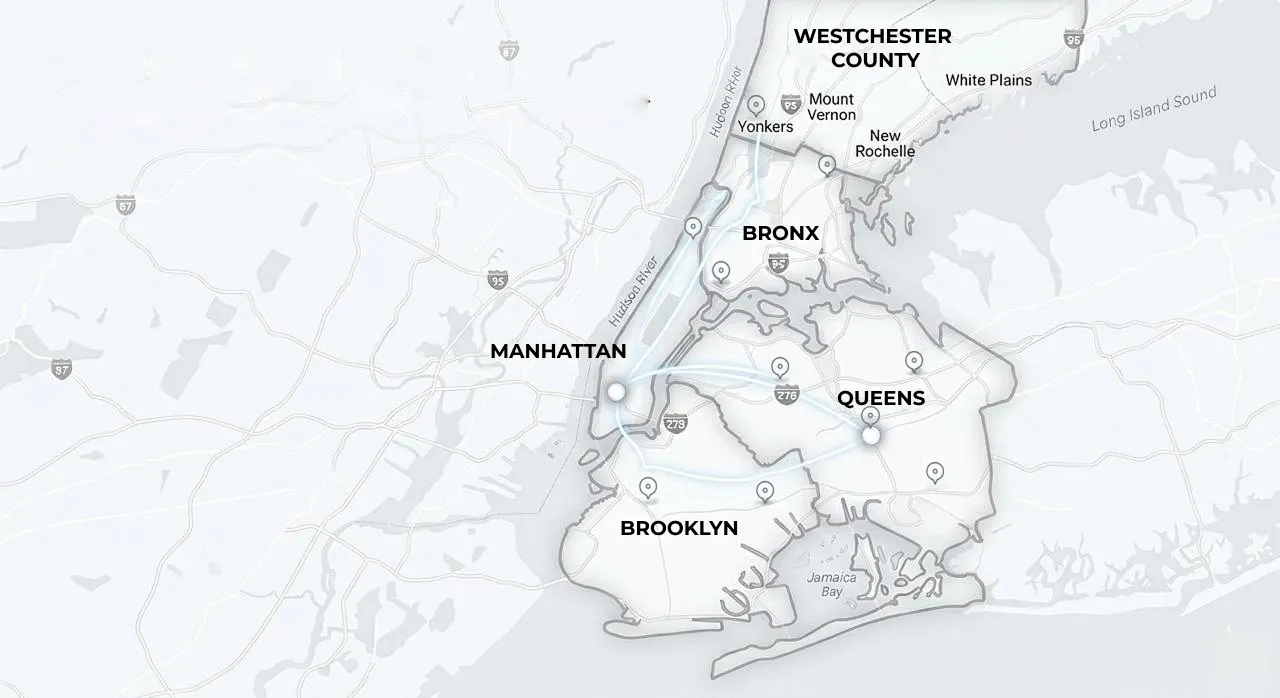
Maintaining a clean office in New York comes with challenges that many businesses in other locations may not experience. High-density commercial buildings, heavy foot traffic, changing weather conditions, and constant movement of employees and visitors can increase the demand for regular cleaning.
For many businesses, managing these challenges internally can become difficult, especially when cleaning needs change throughout the year. In this regard, following an office cleaning checklist for businesses can help prevent important tasks from being overlooked.
This is the primary reason why many organizations choose to work with experienced cleaning professionals. These experts can assess workplace requirements and recommend appropriate cleaning schedules. With their specialized cleaning techniques, they can help maintain consistent standards without disrupting daily operations.
Some of the most common NYC-specific challenges include:
Knowing how often should an office be cleaned can help businesses maintain a healthier and more professional workplace. The right cleaning frequency will support your employees' well-being and improve workplace appearance.
At Sterling Cleaning Services, we help you make your workplace ideal for employees, clients, and visitors. We provide reliable and customized cleaning solutions for businesses across New York, including OSHA workplace sanitation requirements and ISSA cleaning best practices.
Our experienced team evaluates your workspace, occupancy levels, and operational requirements to develop cleaning schedules to deliver consistent results. Whether you need routine maintenance or guidance on deep cleaning vs regular cleaning, we have the right solution.
As a trusted Commercial office cleaning company in New York, we have trained cleaning professionals and use industrial-grade cleaning methods to keep your workplace clean and organized.
Create a cleaner and healthier workplace by connecting with Sterling Cleaning Services today!
Yes, daily office cleaning is essential for most workplaces. It is especially important for places with high employee occupancy. Regular cleaning helps maintain workplace hygiene and reduces the spread of germs. Expert cleaners also help create a cleaner environment for employees and clients.
Office carpets should be vacuumed regularly and professionally deep-cleaned every 6 to 12 months. The carpet cleaning frequency must depend on foot traffic and workplace activity. It is always better to let the professional office cleaning company handle the carpet cleaning requirements.
The cleaning frequency of the commercial space windows must depend on your cleaning requirements. The interior of the office windows should be cleaned every month to maintain a professional appearance. Exterior windows may require cleaning every 2 to 4 months, depending on weather conditions, location, and exposure to dust.
Office cleaning costs in NYC usually vary based on several factors, including office size, cleaning frequency, building type, and occupancy levels. Businesses can expect pricing to differ significantly depending on the type of services required.
Yes, small offices with fewer employees and limited visitor traffic can often be cleaned less frequently. However, the ideal cleaning schedule should depend on the workplace activity and traffic.

Save money while maintaining a spotless office with these smart commercial cleaning budget tips. Explore ways to control costs and improve cleaning efficiency.
.jpg)
Looking for a reliable commercial restroom cleaning process? Explore this practical checklist from Sterling Cleaning Services to help cleaning teams deliver consistent, sanitary results.

Confused between deep cleaning and regular cleaning? Explore the key differences, benefits, and ideal cleaning schedules for NYC businesses to maintain a healthier, safer, and more professional workplace.
Please reach us at any time to set up an appointment to review your commercial cleaning requirements. Sterling will provide an on-site review of your janitorial needs, then create a custom proposal that fits both your specifications and budget