Oops! Something went wrong while submitting the form.
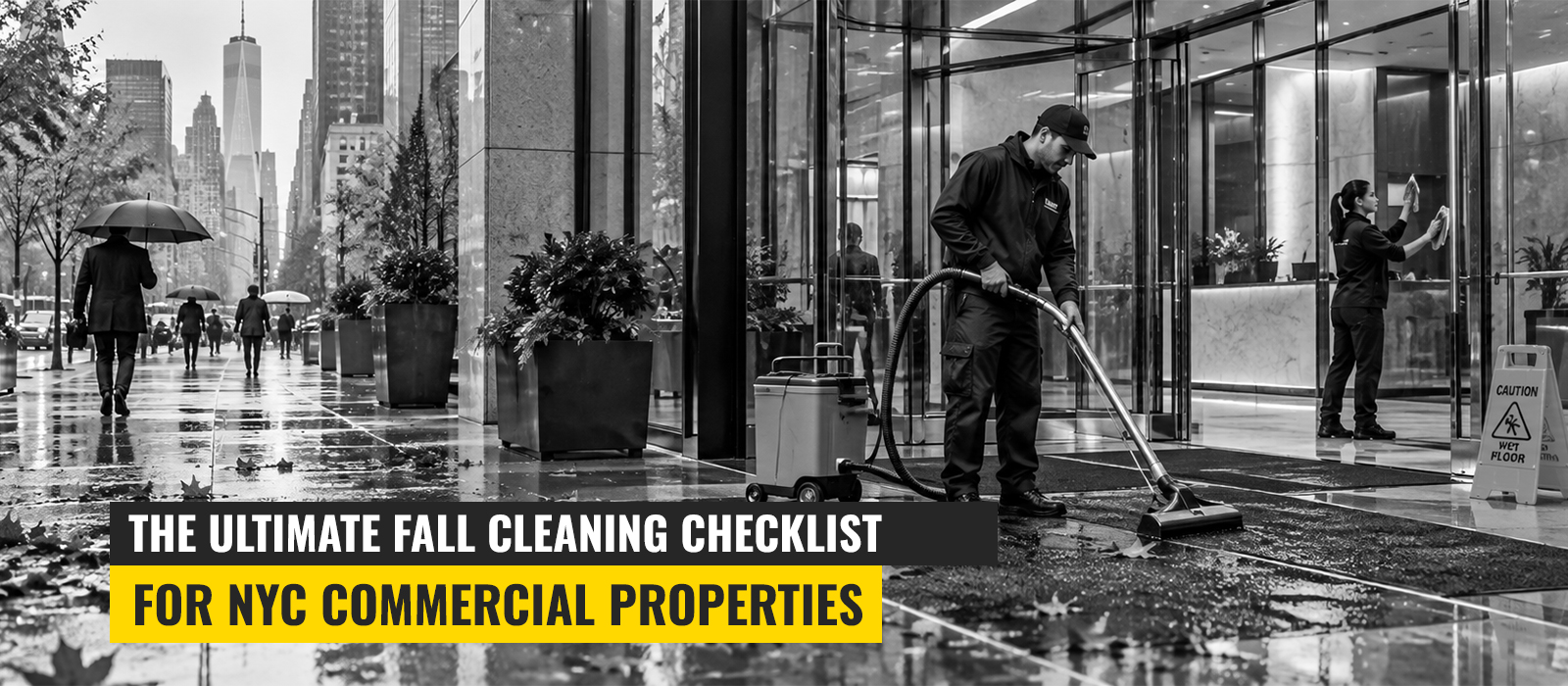
Fall brings specific cleaning problems to NYC commercial properties. Wet leaves and rainwater get tracked through entrances, grit collects on floors, and damp carpets can develop odors if they are not properly maintained.
Entry mats can become saturated faster, while street debris and salt can leave marks on flooring. Increased indoor activity can make cleaning these spaces a hassle for in-house cleaning staff.
Gradually, the dirt can accumulate and create health and safety risks for employees, visitors, and clients that are overlooked. In such cases, a fall cleaning checklist helps property managers identify these seasonal trouble spots before they become harder to manage.
A structured cleaning routine also helps teams stay on top of areas that need extra attention as weather conditions and building activity change.
In this blog, we will discuss the essential fall cleaning tasks for NYC commercial properties, including areas that need extra attention, deep cleaning priorities, recommended cleaning frequency, and how to prepare your building for winter.
Quick Answer
A fall cleaning checklist helps NYC commercial properties deal with seasonal dirt, moisture, and higher indoor traffic before winter.
Clean entrances, doors, mats, and high-traffic floors.
Deep clean carpets and other heavily used flooring.
Clean restrooms, offices, and shared spaces.
Give extra attention to high-touch surfaces.
Clean windows, glass, vents, and overlooked areas.
Address buildup, moisture, and maintenance concerns before winter.
What Is Fall Cleaning in Commercial Spaces?
Fall cleaning in commercial spaces is a seasonal cleaning process. It focuses on areas affected by changing weather, increased indoor activity, and daily foot traffic.
It goes beyond routine cleaning. The goal is to address areas that may receive less attention during regular service.
This can include carpets, entryways, windows, floors, restrooms, and frequently touched surfaces. These areas may need extra care before winter arrives.
The scope of seasonal commercial cleaning should match how the property is used. A busy office may have different priorities than a retail space or medical facility.
A practical autumn cleaning schedule for businesses can help:
Remove leaves, dirt, grit, and other tracked-in debris.
Address moisture around entrances and high-traffic areas.
Deep clean carpets and heavily used floors.
Give extra attention to restrooms and shared spaces.
Clean areas that are often missed during routine service.
Prepare the property for increased indoor activity during colder weather.
Why Fall Cleaning Matters for NYC Commercial Properties
Now that you know what fall cleaning means, it is worth looking at why it matters for commercial properties.
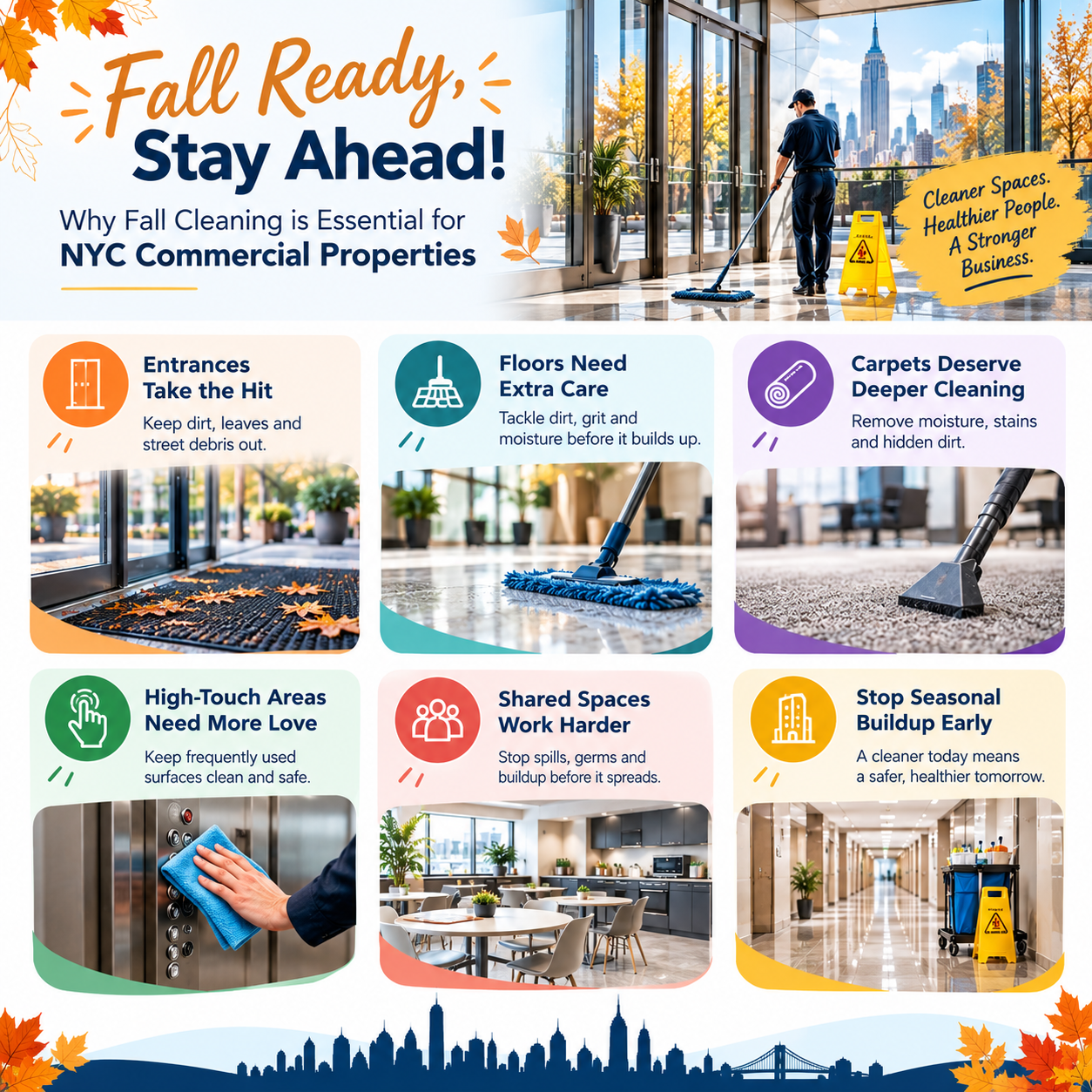
Once fall arrives, the cleaning needs of a commercial property can change quickly. Rain, leaves, street salt, and heavier indoor traffic put more pressure on floors, entrances, restrooms, and shared areas.
In New York commercial buildings, seasonal shifts can make minor maintenance issues more visible. Dirt is tracked indoors. Floors and mats become wet. Frequently played surfaces require additional attention.
A planned fall cleaning routine helps property managers address these areas early. It can prevent seasonal buildup from becoming a larger cleaning concern.
• Entrances Take More Wear
Entrances deal with much of the dirt coming in from outside. Wet shoes, leaves, grit, and street debris can quickly collect around doors and entry mats.
Regular attention keeps these areas cleaner. It also helps reduce the amount of dirt carried into the rest of the building.
• Floors Collect Dirt and Moisture
Rainwater and street debris can make commercial floors harder to maintain during fall. Grit can also wear down some flooring materials when it is repeatedly tracked indoors.
Regular vacuuming, sweeping, and mopping help keep floors cleaner throughout the season.
• Carpets Can Hold Moisture
Carpets near entrances can absorb water from wet shoes and saturated mats. When moisture remains trapped, carpets can develop unpleasant odors and become harder to maintain.
Fall cleaning should include checking carpets for moisture, stains, tracked-in dirt, and areas that need deeper cleaning.
• High-Touch Areas Have Indoor Activity
With colder weather, more people tend to stay indoors. Doors, elevator buttons, handrails, switches, and shared equipment may be touched many times a day.
Giving these areas consistent attention helps maintain cleaning standards across busy parts of the property.
• Shared Spaces Need Extra Attention
Break rooms, kitchens, conference rooms, reception areas, and restrooms can experience heavier use as people spend more time indoors.
Regular cleaning helps control spills, waste, fingerprints, food residue, and other buildup before these issues become more noticeable.
• Seasonal Buildup Can Spread
A small amount of dirt near an entrance can quickly move into hallways, offices, elevators, and shared areas. Without regular attention, the same buildup can appear across several parts of the property.
A structured cleaning schedule helps teams address these areas early and maintain consistent conditions throughout the building.
What Should Be Included in a Fall Cleaning Checklist?
The seasonal issues discussed above show why a commercial property needs more than routine tidying during fall. Property managers should review the areas most affected by outdoor dirt, moisture, foot traffic, and increased indoor activity.
A commercial property cleaning checklist should cover the entire property. It should also make it clear which tasks need routine attention and which areas require deeper cleaning.
Entrances are the first areas to collect rain, leaves, grit, and street debris. They also receive constant foot traffic throughout the day.
Remove leaves, dirt, and tracked-in debris.
Clean doors, frames, and entry surfaces.
Vacuum or clean entry mats regularly.
Check for wet or slippery areas.
Keep entrances clear and presentable.
Floors and Carpets
Floors can show the effects of fall weather quickly. Dirt, moisture, and grit can spread from entrances into hallways, offices, and shared spaces.
Sweep and vacuum high-traffic floors.
Mop hard flooring according to the surface requirements.
Check carpets for stains and moisture.
Give heavily used carpets deeper cleaning when needed.
Pay attention to edges, corners, and areas beneath furniture.
Restrooms
Restrooms require constant attention as they are used over and over again throughout the day. Fall cleaning is also a good time to attend to those areas that may get less attention during your normal service.
Regular high-touch surface cleaning helps keep frequently handled areas properly maintained as indoor activity increases.
Clean door handles and push plates.
Wipe elevator buttons and handrails.
Clean light switches and shared equipment.
Address frequently touched surfaces in common areas.
Follow appropriate cleaning and disinfecting procedures.
Windows and Glass
Fall is a practical time to address visible marks and buildup on windows, doors, partitions, and other glass surfaces.
Clean interior glass and glass doors.
Remove fingerprints and visible marks.
Clean door frames and surrounding surfaces.
Check reception and conference-room glass.
Include exterior glass when it falls within the service scope.
Vents and Overlooked Areas
Some areas can collect dust without being noticed during everyday cleaning. A seasonal checklist allows teams to inspect these less visible locations.
Dust-accessible vents and grilles.
Clean corners and edges.
Check areas behind and beneath furniture.
Remove visible cobwebs and dust buildup.
Report areas that require maintenance rather than cleaning.
Common Areas and Workspaces
Shared areas can become busier as employees and visitors spend more time indoors. These areas should continue to be included in the regular cleaning routine.
Clean reception areas and seating.
Wipe tables, counters, and shared surfaces.
Vacuum or mop common-area floors.
Empty waste bins regularly.
Check break rooms and shared kitchens.
Waste and Outdoor Debris
Fall weather can increase the amount of leaves and debris entering the property. Waste areas can also require more frequent attention during busy periods.
Remove waste according to the established schedule.
Clean around waste containers.
Remove leaves and debris near entrances.
Report leaks, odors, or other recurring waste-area issues.
Keep service areas orderly.
Fall Deep Cleaning Checklist for Commercial Properties
By now, you know that routine tasks help keep seasonal dirt under control. However, some areas need more thorough attention.
Fall is a useful time to tackle embedded dirt, stubborn stains, accumulated dust, and areas that are easy to miss during everyday cleaning.
Following an office cleaning checklist in NYC helps property managers organize these tasks before winter weather brings more moisture, debris, and indoor activity.
Deep vacuuming, carpet extraction, stain treatment, and floor care.
Removes embedded dirt and grit.
Entrances
Mat cleaning, floor scrubbing, and door cleaning.
Controls tracked-in moisture and debris.
Restrooms
Fixture, floor, partition, and mirror cleaning.
Removes buildup from high-use areas.
Offices
Detailed dusting, furniture cleaning, and floor care.
Reaches overlooked dirt and dust.
Common areas
Cleaning seating, tables, shared surfaces, and floors.
Keeps shared spaces well maintained.
Glass and windows
Cleaning glass, frames, doors, and partitions.
Removes marks, dust, and fingerprints.
High-touch surfaces
Cleaning handles, switches, buttons, handrails, and shared equipment.
Keeps frequently touched areas cleaner.
Less visible areas
Cleaning corners, edges, and areas beneath furniture.
Addresses hidden dust and buildup.
Waste and service areas
Cleaning waste areas, floors, and surrounding surfaces.
Controls spills, residue, and odors.
Moisture-prone areas
Checking and cleaning areas affected by moisture or spills.
Helps identify recurring moisture issues.
Fall Office Cleaning: Which Areas Should Businesses Prioritize?
By now, you know that deeper cleaning tasks help address seasonal buildup across the property. For office spaces, some areas deserve closer attention. This is because employees use them continuously throughout the day.
As temperatures drop, more workplace activity shifts indoors. Workstations, shared equipment, meeting spaces, and break areas can therefore collect dust and everyday residue faster.
A focused fall office cleaning routine helps businesses keep these frequently used areas in good condition throughout the season.
Workstations
Employees spend much of the workday at their desks. Dust, crumbs, fingerprints, and everyday residue can build up around frequently used surfaces.
Dust desks, shelves, and accessible surfaces.
Wipe suitable shared equipment.
Clean around keyboards, monitors, and desk accessories.
Empty individual waste bins.
Shared Office Equipment
Printers, copiers, phones, keyboards, and other shared equipment can receive frequent handling. Dust can also collect around buttons, trays, and accessible surfaces.
Clean suitable exterior surfaces.
Wipe frequently handled controls.
Remove visible dust.
Follow manufacturer and facility cleaning instructions.
Employee Break Areas
Break areas can see more use when employees spend more time indoors. Food debris, crumbs, and minor spills may build up between cleaning sessions.
Wipe tables and counters.
Clean suitable cabinet and appliance surfaces.
Remove food residue promptly.
Check waste bins.
Conference and Collaboration Spaces
Meeting rooms can have several users throughout the day. Tables, chairs, and shared equipment can quickly show signs of repeated use.
Clean meeting tables and chairs.
Wipe suitable shared surfaces.
Remove leftover materials.
Check floors and corners for debris.
Office Storage Areas
The supply room and storage areas may be overlooked compared to the active work areas. Dust can accumulate beneath and around shelves, boxes, and stored goods.
Dust-accessible shelving.
Clean floors around stored materials.
Remove unnecessary debris.
Report damaged or deteriorating materials.
Reception and Visitor Areas
Reception spaces remain visible throughout the day and should stay ready for employees and visitors.
Dust-accessible surfaces.
Clean seating and side tables.
Remove visible debris.
Keep visitor areas orderly.
Office Cleaning Priorities
A practical office cleaning routine is one that is tailored to the way your employees use your office. Managers can modify the scope, focusing on high occupancy, shared equipment, and day-to-day activity.
Identify areas requiring daily attention.
Separate routine tasks from periodic deep cleaning.
Include shared equipment and employee workspaces.
Review the cleaning scope when office use changes.
Seasonal Commercial Cleaning Tasks by Frequency: Daily, Monthly, and Deep Cleaning
Knowing what needs cleaning is only part of the process. The next step is setting a frequency that keeps seasonal buildup under control.
A practical cleaning schedule should reflect the property's traffic, occupancy, and daily operations. Some tasks need attention every day, while others can be handled monthly or during scheduled deep cleaning.
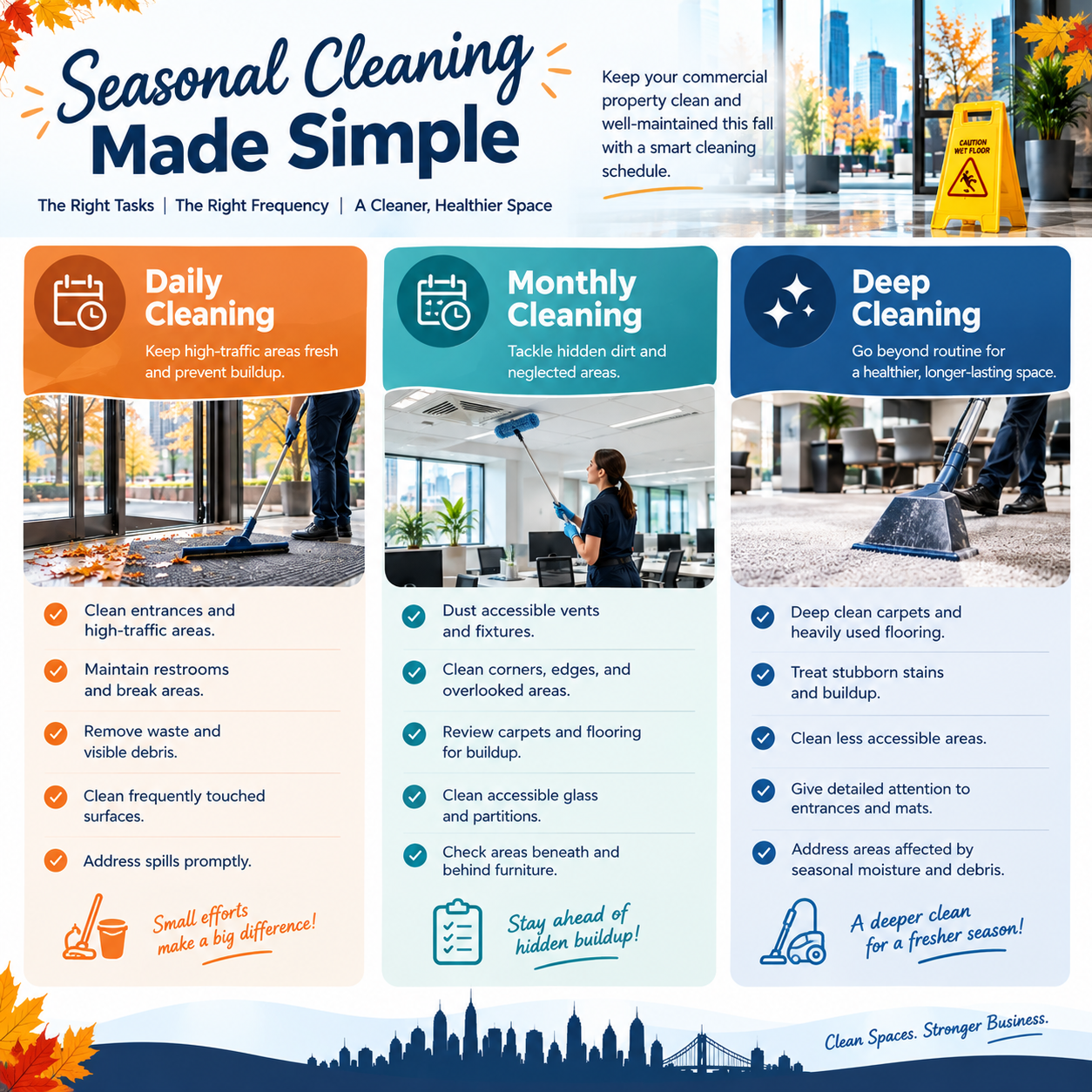
The following breakdown shows how businesses can organize these cleaning tasks throughout the fall season:
Daily Cleaning
Daily tasks should focus on areas that receive constant use. Quick attention to spills, dirt, and waste can prevent buildup from spreading.
Clean entrances and high-traffic areas.
Maintain restrooms and break areas.
Remove waste and visible debris.
Clean frequently touched surfaces.
Address spills promptly.
Monthly Cleaning
Monthly services can be used to focus on areas that are neglected during regular service. They prevent small amounts of dust and grime from turning into long-term problems.
Dust accessible vents and fixtures.
Clean corners, edges, and overlooked areas.
Review carpets and flooring for buildup.
Clean accessible glass and partitions.
Check areas beneath and behind furniture.
Deep Cleaning
Deep cleaning requires more time and a broader scope than routine service. It can be scheduled before winter or when specific areas show signs of accumulated dirt, stains, or moisture.
Deep clean carpets and heavily used flooring.
Treat stubborn stains and buildup.
Clean less accessible areas.
Give detailed attention to entrances and mats.
Address areas affected by seasonal moisture and debris.
When Should Businesses Schedule Professional Fall Cleaning?
A routine cleaning can manage dust and dirt, waste, and surface accumulation of grime. Fall can also bring periods when a property needs more detailed attention, especially when rain, leaves, grit, and increased indoor activity start affecting frequently used areas.
The timing depends on the property's size, traffic, operating hours, and current condition. Businesses may benefit from NYC commercial cleaning services when they can no longer keep up with seasonal demands through routine cleaning.
Several situations can indicate it is time to schedule professional cleaning:
Fall weather brings more dirt, moisture, leaves, and debris into the building.
Carpets or floors show stains, buildup, or signs of heavy use.
Entrances and shared areas need more frequent attention.
In-house staff cannot keep up with the required cleaning schedule.
A property needs detailed cleaning before the winter season.
Large areas need to be cleaned within a limited timeframe.
Cleaning tasks begin to interfere with normal business operations.
The property requires specialized equipment or deeper cleaning methods.
Professional Fall Cleaning for NYC Commercial Properties
A fall cleaning checklist helps commercial properties handle seasonal dirt, moisture, and increased indoor activity. Professional cleaning support can make it easier to complete detailed tasks while keeping routine operations on schedule.
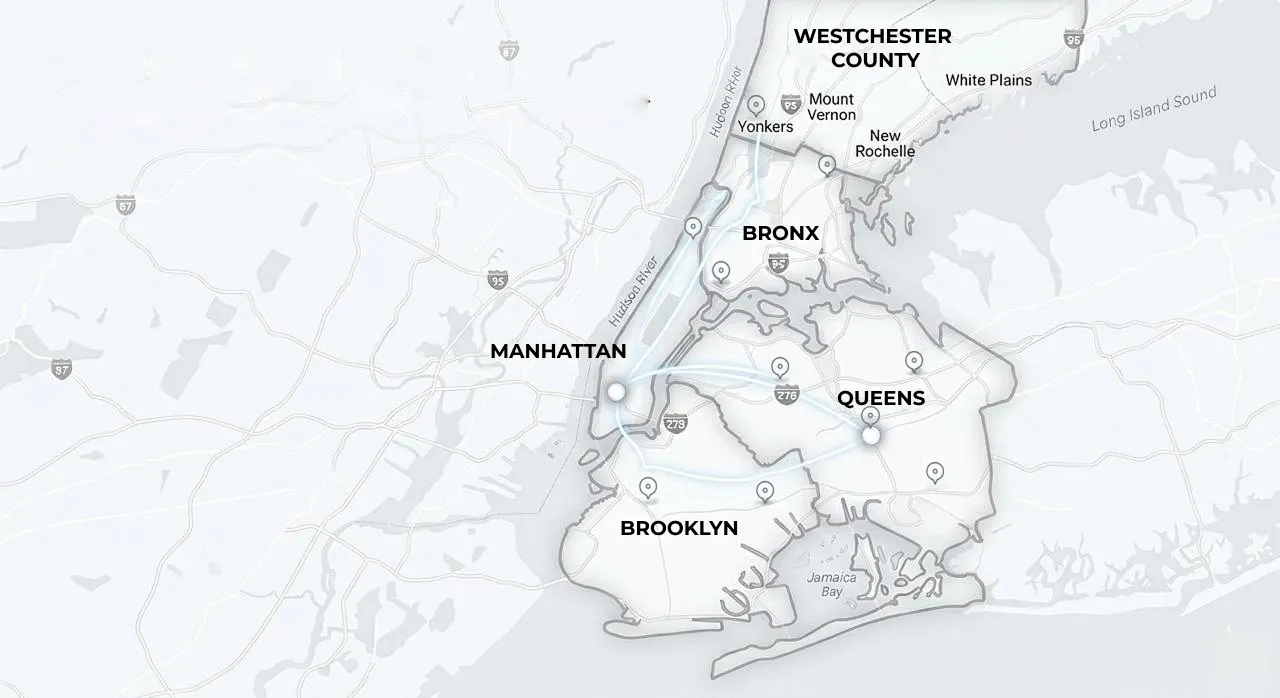
Sterling Cleaning Services provides commercial cleaning services in NYC. Our team works with businesses to establish clear cleaning scopes and schedules based on the property's size, traffic, operating hours, and specific cleaning requirements.
We provide trained cleaning staff and consistent service to help maintain commercial spaces throughout the year. Our team can also accommodate your property's schedule, including before or after business hours and during lower-traffic periods, to ensure there is as little disruption as possible to your daily business.
Whether you need routine seasonal cleaning or additional support for detailed fall cleaning tasks, our services can be structured around your property's requirements.
Manage your fall cleaning needs exceptionally by connecting with Sterling Cleaning Services today!
Frequently Asked Questions
1. What should be on a fall cleaning checklist for commercial buildings?
A commercial building fall cleaning checklist should cover entrances, floors, carpets, restrooms, windows, communal areas, and high-touch points. These high-traffic areas typically require more attention during the fall season as wet conditions, leaves, dirt, and debris are tracked into the building.
2. How do you deep clean a commercial building for fall?
When cleaning a commercial building for the fall, concentrate on carpets, floors, doorways, bathrooms, windows, high-touch areas, and hidden pockets. A thorough cleaning will help to eliminate the dirt, stains, dust, and seasonal grime that has collected during the summer months.
3. What areas should be cleaned before winter in a commercial building?
You should clean entrances, floors, carpets, restrooms, windows, and high-touch surfaces before winter. As the weather changes, these places can gather moisture, leaves, grit, and debris that have been tracked in.
4. How often should a commercial building be deep cleaned?
Commercial buildings require deep cleaning when normal cleaning no longer removes accumulated dirt, stains, or buildup. The ideal frequency is determined by the size of the property, the number of people using the premises, the level of foot traffic, and the condition of high-traffic areas.
5. When should businesses schedule fall cleaning?
Businesses should do fall cleaning before winter weather brings more moisture, dirt, and debris inside the property. Scheduling early allows cleaning teams to finish seasonal tasks without interfering with normal business operations.
6. What does commercial fall cleaning include?
Commercial autumn cleaning may involve carpet cleaning, floor care, entrance cleaning, restroom cleaning, and more. The final scope shall be based on the condition, use, and cleaning requirements of the property.
A Veterinary Clinic Cleaning Checklist ensures hygiene and safety standards are met. It includes tasks like disinfecting surfaces, sterilizing equipment, removing waste, and maintaining a sanitized environment to safeguard animal health and well-being.
Get a simple dorm room cleaning checklist for 2026. Learn how to clean and prepare dorm rooms before students return with tips from Sterling Cleaning Services.
Learn how property managers can maintain cleaning compliance with ADA, NFPA, and health standards while creating safer, cleaner, and well-maintained properties. The guide covers key cleaning considerations, safety practices, and compliance-focused approaches for effective property management.
Please reach us at any time to set up an appointment to review your commercial cleaning requirements. Sterling will provide an on-site review of your janitorial needs, then create a custom proposal that fits both your specifications and budget