October 29, 2026
A Complete Warehouse Cleaning Checklist
It's important to maintain warehouse safety & cleanliness. Discover our comprehensive warehouse cleaning checklist and make sure your workspace promotes a secure and hygienic environment.


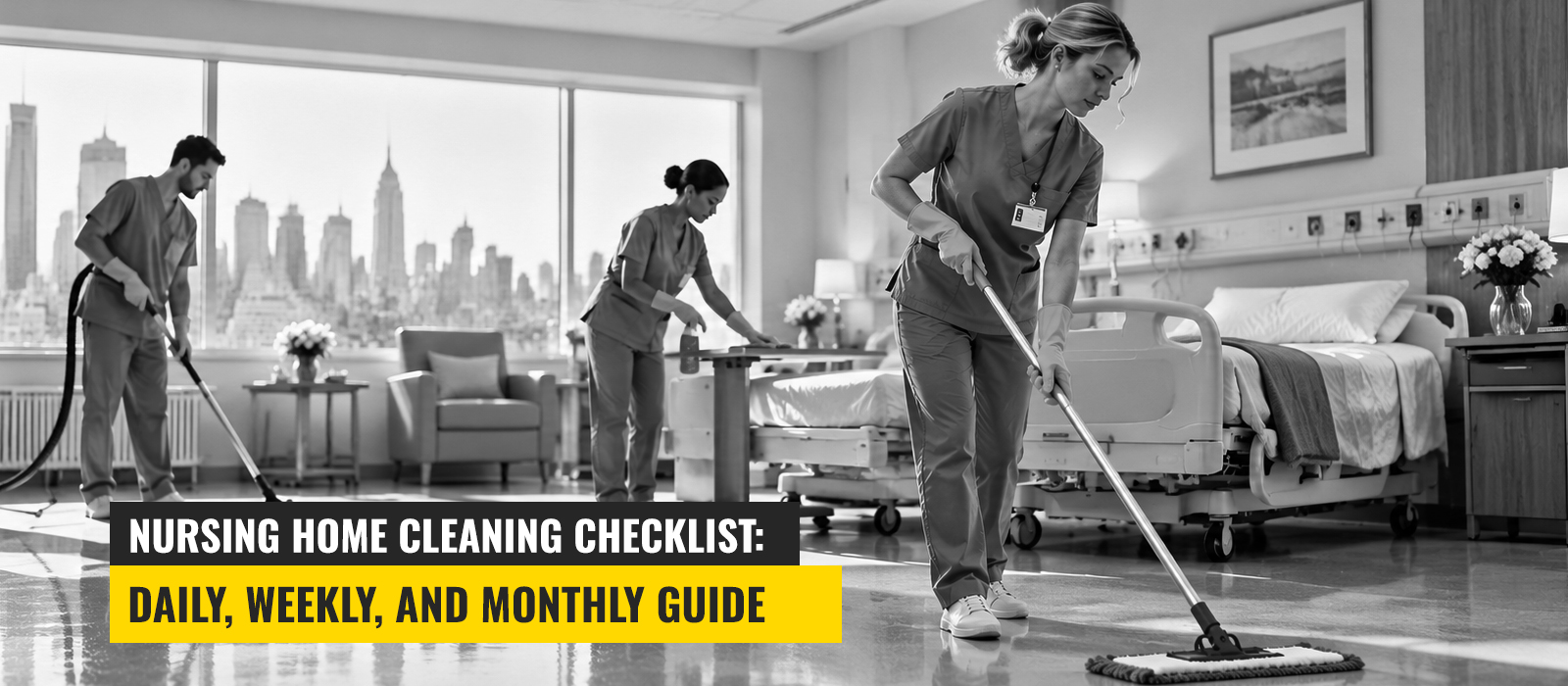
In a nursing home, when something is skipped during cleaning, it can go beyond an unclean room. A contaminated bed rail, an improperly disinfected shared device, or a bathroom that has not been cleaned properly can create infection risks.
These concerns make consistent environmental cleaning an important part of daily care. Unlike routine office cleaning, nursing home cleaning must account for resident health, shared medical equipment, mobility aids, and personal care areas.
Cleaning teams also need to follow established infection-prevention procedures without disrupting medication rounds, meals, or other essential care activities.
A structured nursing home cleaning checklist helps staff organize routine tasks and identify areas requiring more frequent attention. It also gives supervisors a practical way to check completed work and address gaps before they become recurring problems.
In this blog, we'll explore daily, weekly, and monthly cleaning tasks, deep-cleaning priorities, infection-control procedures, and ways to maintain a reliable cleaning schedule in a nursing home.
A nursing home cleaning checklist helps the facility maintain hygienic resident rooms, shared medical equipment, bathrooms, and common areas.
Residents in nursing homes may share bathrooms, dining spaces, mobility aids, and other equipment throughout the day. When these areas are not cleaned and disinfected properly, contaminated surfaces can contribute to the spread of infections.
Older adults may be particularly vulnerable to complications. This makes consistent environmental cleaning an important part of resident safety.
In such cases, a structured nursing home sanitation checklist helps staff maintain clear cleaning routines. It also helps identify areas that need additional attention. The process helps supervisors monitor completed tasks and keep cleaning responsibilities consistent across shifts.
Regular cleaning and appropriate disinfection help reduce contamination on frequently touched surfaces and shared equipment.
Consistent hygiene practices help maintain safer surroundings for residents who may have weakened immune systems or complex care needs.
Dining rooms, bathrooms, hallways, and recreation areas need regular attention because residents and staff use them throughout the day.
Clear procedures help cleaning and care staff handle chemicals, contaminated materials, and cleaning equipment more safely.
Documented cleaning routines help teams track completed tasks, identify missed areas, and address recurring problems.
Nursing homes need daily cleaning to keep resident rooms, bathrooms, and shared spaces safe for use. Since these areas are used all day, consistent cleaning practices are necessary to maintain sanitation in the healthcare facilities.
The process helps staff manage dirt, spills, and frequently touched surfaces in aged care.
The following areas need to be prioritized in the daily cleaning checklist for nursing homes:
Resident rooms need regular attention to maintain a clean, comfortable living space.
Frequent use makes bathrooms a priority in daily nursing home cleaning. They need to be thoroughly sanitized for hassle-free use.
Food spills and crumbs can build up quickly around dining and food preparation areas.
Clean, unobstructed shared spaces help residents move around comfortably.
Shared equipment and frequently touched surfaces need regular cleaning and appropriate disinfection.
Daily cleaning handles everyday mess in healthcare facilities. However, some areas need more detailed attention each week.
A planned weekly routine helps staff tackle accumulated dirt and keep less frequently cleaned spaces in good condition.
These areas need to be prioritized in the weekly nursing home room cleaning checklist:
Dust and residue can collect on fixtures and surfaces that receive less attention during daily cleaning.
Floors and soft furnishings can hold dirt and stains even when they look clean. Professional carpet cleaning services in NYC can address deeper buildup when routine cleaning is not enough.
Storage rooms and utility spaces can become cluttered when they are not included in routine checks.
Shared equipment and activity areas need regular attention because residents and staff use them throughout the week.
Businesses should know that routine cleaning handles everyday dirt. However, certain areas like the space behind furniture or the space around fixtures can often go overlooked.
A structured cleaning plan helps staff address accumulated grime and tackle areas that need more attention.
Professional deep cleaning services in NYC can help with these harder-to-reach areas. The following areas should be prioritized when preparing a nursing home deep cleaning checklist.
Buildup can collect around fixtures, furniture, and less accessible surfaces.
Heavy use can leave embedded dirt in carpets and residue on hard floors and furniture. Periodic deep cleaning helps remove buildup that routine cleaning may not address.
Shared spaces and designated care areas may need additional attention based on their use and facility procedures.
Dust can accumulate on ledges, vents, and other areas that receive less attention during daily cleaning.
A final check helps confirm that deep-cleaning tasks are complete and maintenance concerns have been reported.
A nursing home can look clean while frequently touched surfaces and shared equipment still require proper disinfection. Since residents may be more vulnerable to infections, cleaning teams need to follow proper procedures. This will help remove dirt and prevent contamination from spreading between areas.
Effective nursing home infection control is only possible when the businesses follow consistent practices, se use appropriate products, and have staff who understand their responsibilities.
Following a facility cleaning checklist helps organize these tasks easily and identify areas that need additional attention.
The following table discusses the essential procedures that support safer care environments:
A reliable cleaning schedule helps staff know which areas to clean and who is responsible for completing them. Staff need a routine they can follow across shifts, resident rooms, and shared spaces.
A clear schedule helps prevent missed tasks and keeps cleaning responsibilities organized. It also supports long-term care facility cleaning by giving teams a consistent way to manage daily upkeep and periodic deep cleaning.
Nursing homes may need additional cleaning support when resident numbers increase, or existing staff struggle to maintain consistent standards. In such cases, professional nursing home cleaning services can provide additional help.
These experts offer detailed floor care and the needed attention to areas that require more attention. The right support should fit the facility's schedule, resident needs, and established infection-control procedures.
The following are the reasons you need to hire professional cleaning services for your nursing home:
Missed tasks can leave resident rooms, bathrooms, and shared areas in need of attention.
Frequent admissions, discharges, and room changes can increase the cleaning workload.
Some areas need equipment or cleaning methods that routine staff may not have available.
A small cleaning team may struggle to cover every area while maintaining the required schedule.
Repeated complaints, missed tasks, or uneven cleaning quality can indicate that the existing process needs attention.
A defined service arrangement can help nursing homes manage routine cleaning and periodic deep cleaning more consistently.
A consistent nursing home cleaning checklist helps staff manage daily, weekly, and monthly tasks. The documents help maintain hygienic resident rooms, bathrooms, and shared spaces.
Regular inspections, appropriate disinfection, and scheduled deep cleaning also help facilities maintain consistent standards and support resident well-being.
At Sterling Cleaning Services, we understand the importance of healthcare cleaning services and why reliable cleaning procedures matter. We offer commercial cleaning support for healthcare facilities across New York City.
Our trained teams of in-house cleaners follow standard procedures for cleaning. We also provide reliable service, clearly defined cleaning scopes, and quality checks to help maintain consistent cleaning standards.
Discuss your nursing home's cleaning requirements by connecting with Sterling Cleaning Services today!
Nursing homes should be cleaned daily, with additional cleaning throughout the day when needed. Resident rooms, bathrooms, dining areas, and frequently touched surfaces may require more frequent attention depending on occupancy and use.
A nursing home cleaning checklist should include cleaning of resident rooms, bathrooms, dining areas, common spaces, and high-touch surfaces. It should also include weekly and monthly tasks, deep cleaning, inspections, and more.
Routine cleaning controls common dust formation and contamination. The deep cleaning of a nursing home involves extensive grime buildup. Deep cleaning an area makes cleaning carpets, floor edges, upholstery, and hard-to-reach spots effective.
Nursing homes can reduce the risk of infection by following consistent cleaning and disinfection procedures. The staff should use suitable products, clean shared equipment appropriately, and pay attention to frequently touched surfaces.
Facility management is responsible for maintaining nursing home cleaning standards. They follow clear responsibilities, have trained staff, and follow written schedules. It helps ensure cleaning work is completed consistently.
A nursing home should consider professional cleaning services when your existing staff is unable to maintain the required cleaning schedule. By hiring additional support, you can handle the deep cleaning, heavy buildup, and maintain consistent standards across the facility.
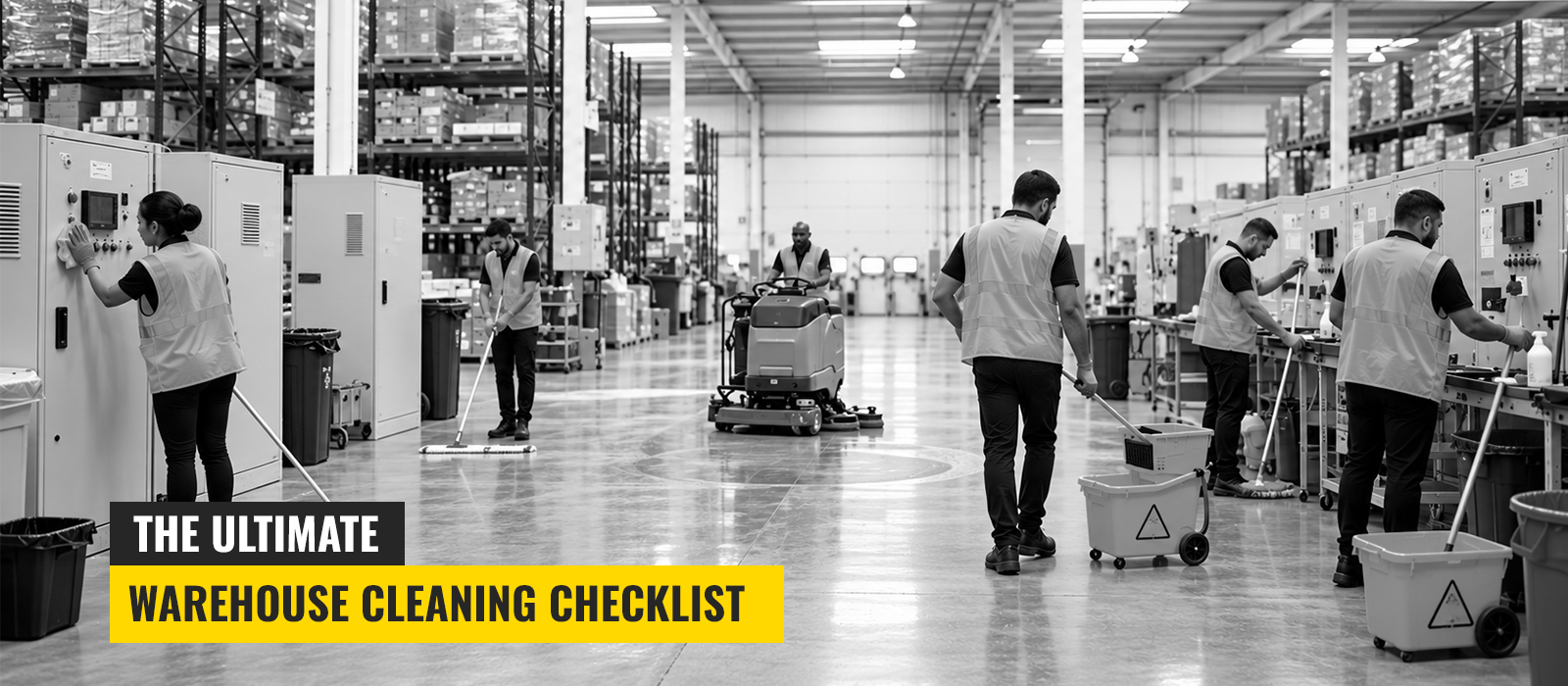
It's important to maintain warehouse safety & cleanliness. Discover our comprehensive warehouse cleaning checklist and make sure your workspace promotes a secure and hygienic environment.

Learn what to look for beyond price when comparing commercial cleaning quotes. Discover how to evaluate service quality, cleaning scope, staff experience, insurance coverage, and contract terms to choose the right cleaning partner for your business.

Keeping a dental office clean involves more than routine housekeeping. Learn how CDC infection-control recommendations, OSHA workplace safety requirements, and EPA regulations for disinfectants help dental practices manage cleaning procedures, protect staff and patients, and maintain appropriate hygiene standards.
Please reach us at any time to set up an appointment to review your commercial cleaning requirements. Sterling will provide an on-site review of your janitorial needs, then create a custom proposal that fits both your specifications and budget