September 18, 2026
Dorm Room Cleaning Checklist: A Complete Guide Before Students Return
Get a simple dorm room cleaning checklist for 2026. Learn how to clean and prepare dorm rooms before students return with tips from Sterling Cleaning Services.

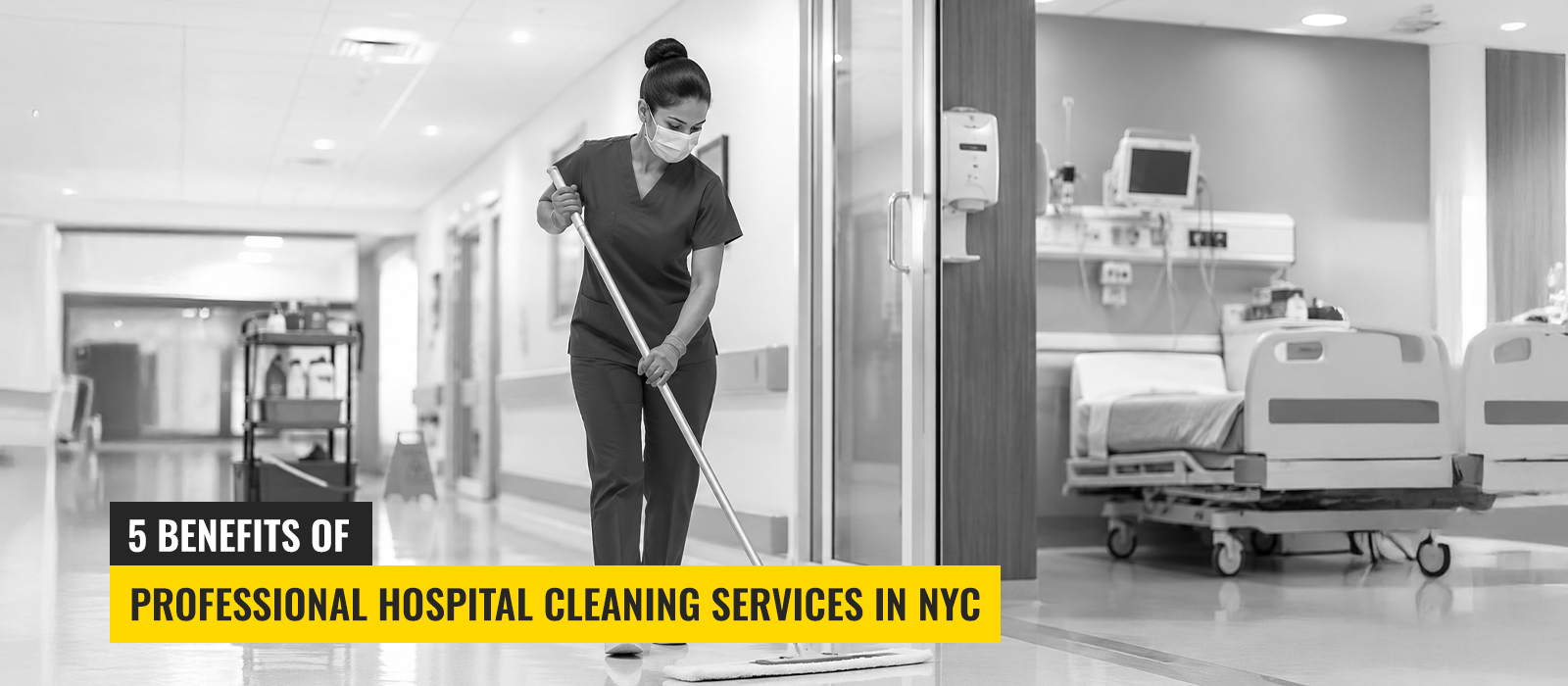
Hospitals are regularly visited by multiple patients, healthcare workers, and medical staff. The facility witnesses constant activity across patient rooms, waiting areas, operating spaces, and shared facilities.
In such situations, maintaining a consistently clean environment becomes essential. A missed surface, an unclean area, or a case of inconsistent cleaning can have an impact on patient safety. It could harm the reputation and the overall healthcare experience.
That is why hospitals must use cleaning products that meet the hygiene requirements specific to the healthcare setting. Professional hospital cleaning service providers help them manage these challenges through trained teams, specialized equipment, and structured cleaning procedures.
From patient rooms to high-touch surfaces, professional cleaners help maintain a safer and healthier environment.
In this blog, we will explore the 5 benefits of hospital cleaning services, essential hospital cleaning checklists, and how to choose the right cleaning partner for healthcare facilities in NYC.
Cleaning plays a critical role in hospitals as it handles patients and the medical team. The constant movement in the shared environments increases the risk of dirt, dust, and contamination.
This is why these environments require specialized cleaning practices to manage high-risk areas, frequent human contact, and strict hygiene expectations.
Proper hospital cleaning also helps maintain patient confidence and supports a safer environment for everyone inside the facility.
The following points explain why cleaning is so important in healthcare:
Now that you understand why cleaning is important in healthcare, it becomes easier to see the benefits of hiring specialized cleaning support. Ideally, healthcare facilities handle constant patient movement, medical procedures, and shared spaces.
The high traffic increases hygiene risks quickly. Handling the cleaning through in-house staff may lead to inconsistencies or health risks.
Professional hospital cleaning services help maintain a safer environment by following healthcare-specific cleaning practices. The experts use industrial-grade equipment and ensure important areas receive consistent attention.
Hospitals are mandated to keep patient rooms clean to reduce the risk of Healthcare-Associated Infections (HAIs). This is because patients with different health conditions, healthcare workers, and visitors interact within the same environment. Professionals offering cleaning services in hospitals follow structured disinfection procedures. It helps to reduce the spread of harmful contaminants across frequently used areas.
A clean hospital environment directly influences how patients feel during their treatment and recovery. Well-maintained spaces create a sense of comfort, safety, and trust. It also allows healthcare professionals to focus on providing quality care.
Hospitals must maintain strict hygiene standards to ensure safe operations. Professional cleaners understand healthcare cleaning requirements. They follow cleaning and infection prevention recommendations stated by OSHA, CDC, the EPA, and the New York State Department of Health.
Medical equipment, furniture, flooring, and other hospital assets require careful handling during cleaning. Professional teams understand how to clean different surfaces. They use specialized products and clean gently without affecting equipment performance.
Hospitals are active spaces where hundreds of people may move through the facility every day. Consistent cleaning helps control dust, allergens, odors, and surface contamination. These experts use high-quality equipment and specialized methods to create a healthier environment for everyone inside.
Now that you understand the benefits of hiring healthcare facility cleaning services in NYC, the next step is to learn what areas they cover.
Professional hospital cleaning services are intended to keep cleanliness standards high in patient areas, clinical areas, and high-traffic areas.
These experts follow systematic cleaning methods to ensure every area is covered explicitly. By covering every essential area, hospital cleaning teams help create a safer environment for patients, healthcare workers, and visitors.
Patient rooms require consistent cleaning as they are frequently occupied by patients. Professional cleaners focus on removing dirt, disinfecting high-touch surfaces, and maintaining a safe recovery environment. They use a hospital patient cleaning checklist along the way so that no area is left untouched.
Operating rooms require strict cleaning procedures. It is essential, as even a minor mistake can lead to contamination risks. Expert hospital cleaning teams adhere to a number of protocols to maintain sterile environments.
Waiting areas are among the busiest parts of a hospital. They witness continuous movement from patients, visitors, and staff. The area becomes dirtier if there are carpets and upholstery. Regular cleaning of healthcare facilities helps maintain a welcoming environment while reducing the spread of germs.
Since they are used heavily all day, hospital restrooms and common areas must be cleaned regularly. Professional cleaning helps control odors, maintain hygiene, and improve the overall patient experience.
Healthcare workers spend significant time in offices, workstations, and staff areas. Keeping these spaces clean supports a healthier workplace and allows staff to focus on operations.
Frequently touched surfaces can rapidly become covered in germs in health care environments. Professional cleaners pay special attention to these areas to reduce contamination risks.
Maintaining the cleanliness of a medical unit requires systematic methods and well-planned processes. When cleaning a hospital room, teams must follow structured procedures to ensure patient rooms, medical areas, and shared spaces receive the right level of attention.
A hospital cleaning checklist helps cleaning teams follow consistent procedures. It helps them track completed tasks and maintain hygiene standards. Hospitals typically follow two major cleaning approaches: daily cleaning and terminal cleaning.
Daily cleaning helps control dirt, germs, and contamination. Terminal cleaning helps in detailed disinfection after a patient leaves a room.
Professional cleaning teams ensure patient rooms, medical areas, and shared spaces remain safe and ready for continuous use.
The purpose of daily hospital cleaning is to keep the hospital clean throughout the day. These tasks help healthcare facilities manage frequent use, reduce contamination risks, and provide a safer environment for patients, staff, and visitors.
Terminal cleaning is a detailed cleaning process performed after patient discharge, transfer, or when a room requires complete preparation for the next patient. It focuses on disinfecting the entire space and the areas that may not receive attention during routine cleaning.
While going through the cleaning checklist, you might have understood the areas that are essential to clean. However, to maintain strict hygiene standards and support infection prevention, depending on regular tools may not be a smart choice.
Healthcare cleaning requires products that are effective against harmful microorganisms. These products need to be gentle and safe for different medical surfaces.
Professional hospital cleaning teams follow healthcare cleaning protocols and use approved disinfectants, advanced equipment, and protective tools. These solutions help maintain patient rooms, operating areas, and shared spaces while reducing contamination risks.
Hospital cleaning plays a critical role in maintaining patient safety, infection control, and a positive healthcare experience. However, managing all cleaning responsibilities through internal staff or basic cleaning methods may not always deliver the consistency.
Professional hospital cleaning companies bring trained teams, healthcare-specific procedures, and specialized equipment to handle complex cleaning requirements.
They understand the importance of maintaining hygiene standards across patient rooms, medical areas, waiting spaces, and high-touch surfaces. Choosing the right cleaning partner also requires taking a careful approach for maintaining optimal cleanliness.
The following points can help you choose the best hospital cleaning services for patient safety in NYC:
Hospitals need to maintain a safe, hygienic, and patient-focused environment. Having a clear idea about the 5 benefits of hospital cleaning Services can help healthcare facilities understand how professional cleaning supports infection control and reduces contamination risks.
However, managing the cleaning through internal teams can become problematic when there are expansions. In such cases, partnering with an experienced cleaning company proves to be fruitful.
They ensure optimal cleanliness by offering access to trained professionals, specialized equipment, and structured cleaning procedures.
At Sterling Cleaning Services, we provide reliable healthcare cleaning services for patient safety. Our services are designed to meet the unique needs of hospitals and medical facilities in NYC.
We follow detailed cleaning processes to maintain patient rooms, shared areas, and critical spaces with the attention they require.
Create a cleaner and safer healthcare environment with professional support by connecting with Sterling Cleaning Services today!
1. What are the benefits of hospital cleaning services?
Professional hospital cleaning services are quite beneficial as they help healthcare facilities maintain hygiene standards, reduce contamination risks, and support infection control. They also facilitate maintaining cleanliness across patient rooms, waiting spaces, and high-touch surfaces.
2. Why is cleaning important in healthcare?
Cleaning is important in healthcare because hospitals handle patients with different health conditions. Since there is a high risk of contamination, it is essential to sanitize the rooms properly. Regular and professional cleaning helps maintain patient safety and support better healthcare experiences.
3. What do hospitals clean with?
Hospitals use healthcare-approved cleaning products and equipment to maintain the premises. These methods help maintain hygiene while reducing contamination risks across healthcare facilities.
4. How often should hospitals be cleaned?
Hospitals should ensure continuous cleaning throughout the day. High-touch surfaces, patient rooms, restrooms, and shared areas often need frequent attention. Terminal cleaning needs to be performed after patient discharge.
5. How do I choose a reliable hospital cleaning company in NYC?
You can easily choose a reliable hospital cleaning company in NYC by checking their work experience. Analyze their healthcare experience, certifications, and understanding of infection control procedures before making a decision. A reliable provider should offer customized cleaning plans and consistent service quality.
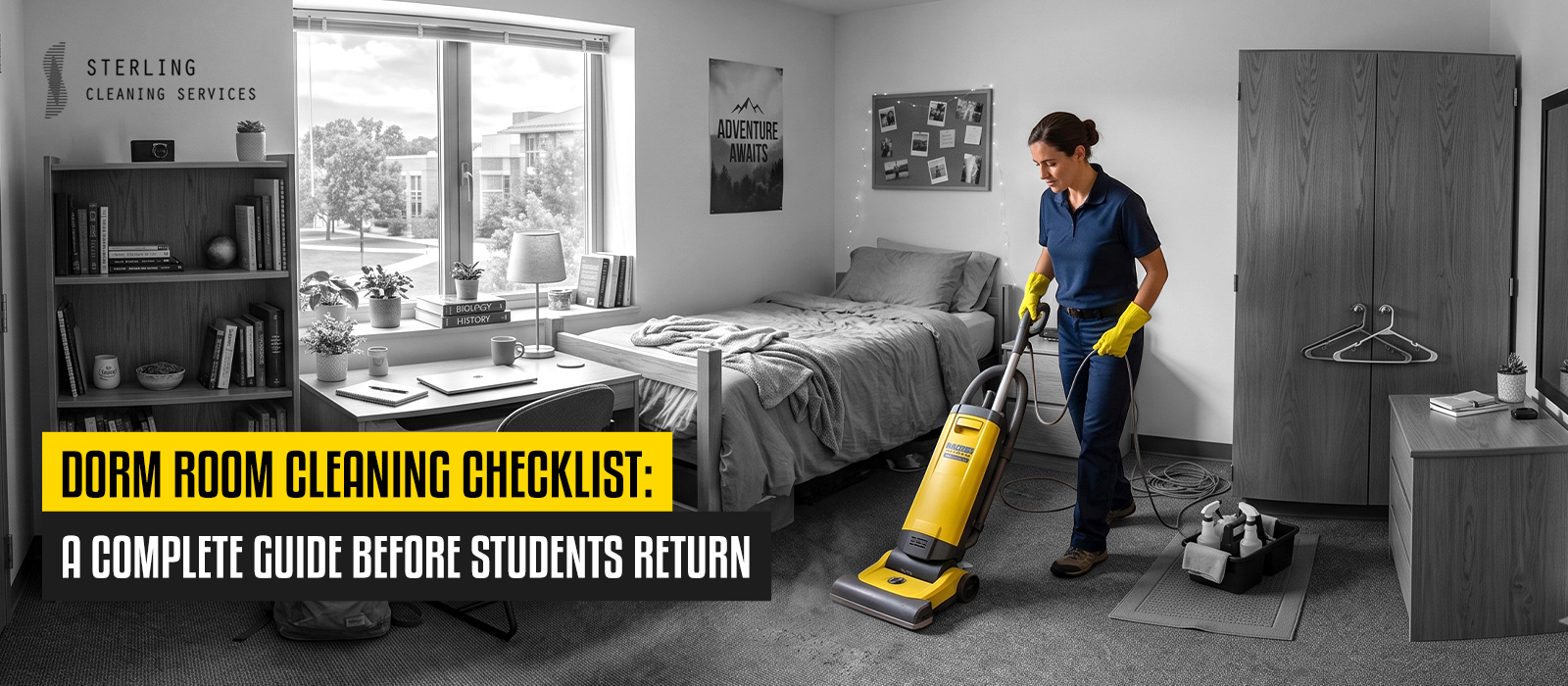
Get a simple dorm room cleaning checklist for 2026. Learn how to clean and prepare dorm rooms before students return with tips from Sterling Cleaning Services.
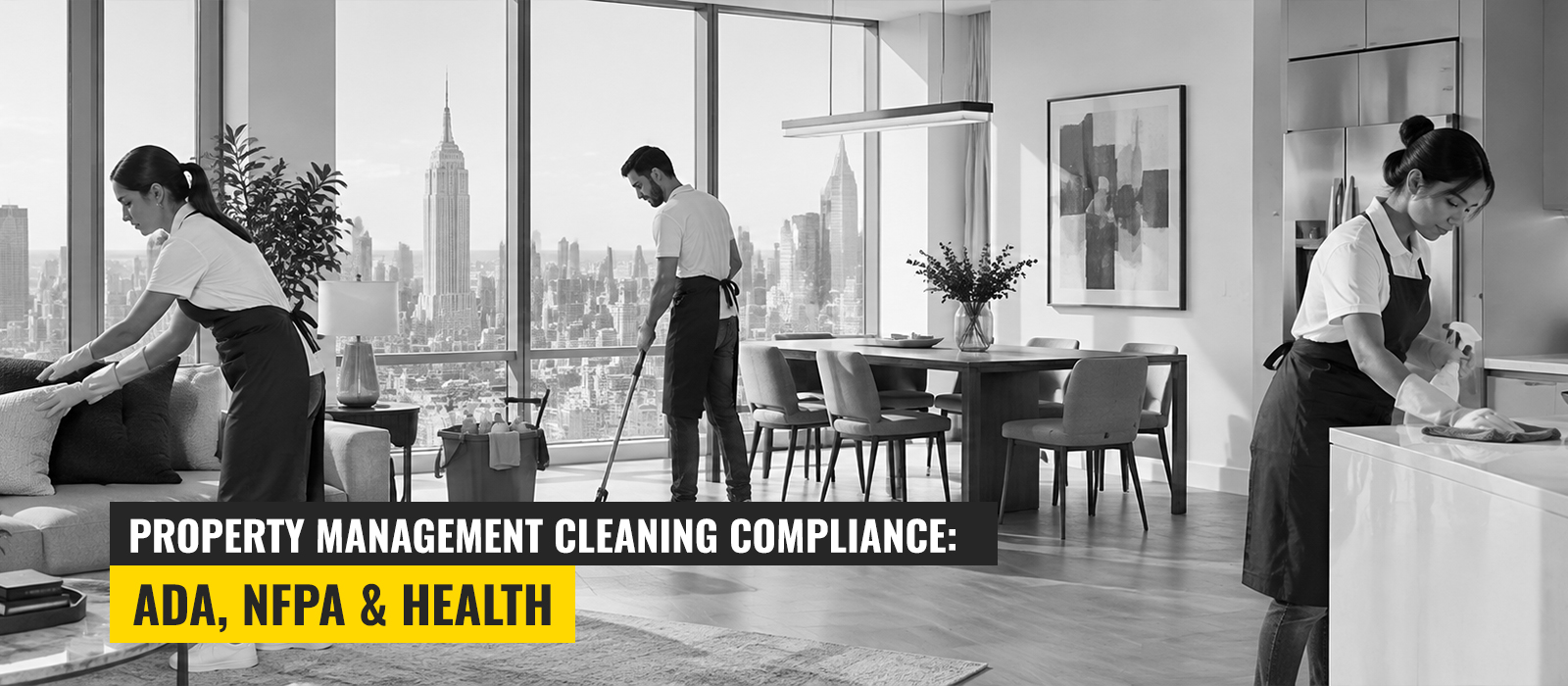
Learn how property managers can maintain cleaning compliance with ADA, NFPA, and health standards while creating safer, cleaner, and well-maintained properties. The guide covers key cleaning considerations, safety practices, and compliance-focused approaches for effective property management.

Choosing the right commercial cleaning company in Manhattan requires careful consideration of experience, services, pricing, reliability, and customer reviews. Use these factors to find a trusted cleaning partner for your business.
Please reach us at any time to set up an appointment to review your commercial cleaning requirements. Sterling will provide an on-site review of your janitorial needs, then create a custom proposal that fits both your specifications and budget