A dental office can look spotless at the end of the day and still have easy-to-miss cleaning issues. Continuous patient and staff traffic brings in dust, debris, and other contaminants. Even the frequently used surfaces can need attention throughout the day.
In-house staff may handle some routine cleaning. However, the increasing workloads can make it difficult to maintain the same standard across every area.
A disinfectant may be wiped away too soon, a high-touch surface may be overlooked, or a cleaning procedure may not match the practice's infection-control requirements.
These small gaps can become a bigger concern when they happen repeatedly. Regular cleaning and disinfection help support dental Office Cleaning Compliance. The practice helps protect patients and staff and maintain the infection-control standards expected in a dental setting.
If you are trying to understand the different roles of the CDC, OSHA, and EPA, then you are in the right place.
In this blog, we will explain what each organization covers, which cleaning practices deserve attention, and how dental practices can build procedures that are easier to follow, inspect, and maintain.
Quick Answer
To maintain dental office cleaning compliance, you should align your cleaning procedures with CDC guidance, applicable OSHA requirements, and EPA disinfectant instructions.
- Use written cleaning and disinfection procedures.
- Train staff on PPE, chemical safety, and exposure prevention.
- Clean and disinfect operatories and high-touch surfaces as required.
- Use EPA-registered disinfectants according to label directions and contact times.
- Inspect completed cleaning and document missed tasks or corrective actions.
What Is Dental Office Cleaning Compliance?
Dental Office Cleaning Compliance means maintaining cleaning and disinfection practices that follow the applicable workplace requirements. It ensures that the space follows infection-control guidance and product instructions for a dental practice.
A compliant cleaning process should clearly define what needs cleaning, which surfaces require disinfection, and how staff should carry out the work safely. For commercial spaces, checking the property management's cleaning compliance can also offer additional information.
It generally includes:
- Cleaning procedures - Establish clear methods for operatories, waiting areas, restrooms, and other parts of the practice.
- Disinfection - Use appropriate products and follow their label directions, including required contact times.
- Staff safety - Provide training and appropriate PPE for cleaning tasks and potential exposure hazards.
- Infection control - Keep cleaning practices aligned with the dental practice's infection-control procedures.
- Inspection and documentation - Check completed work, record deficiencies, and address recurring cleaning problems.
Why Should Dental Offices Maintain Cleaning Compliance?
Knowing what dental office cleaning compliance involves is only the starting point. The real challenge is applying those requirements consistently.
Dental offices need to handle cleanliness while ensuring that patients, staff, instruments, and equipment move through. A missed surface or poorly followed cleaning step can become part of a repeated routine before anyone notices the gap.
Strong Dental office sanitation protocols provide the practice with a clear framework for handling routine cleaning, disinfection, waste management, and safety procedures.
They also make responsibilities easier to assign and provide a practical way to check whether established procedures are being followed.
Protects Patients and Staff
Dental offices involve close patient contact and frequent use of shared surfaces. Consistent cleaning helps maintain a cleaner environment and ensure compliance with broader infection-control procedures.
Reduces Cross-Contamination Risks
Different rooms and surfaces may require different cleaning methods. A cleaning schedule allows staff to avoid carrying contamination from one area to another and to ensure they have the correct products and equipment for each job.
Supports Workplace Safety
Cleaning staff may work around chemicals, contaminated materials, spills, and other workplace hazards. Strong OSHA compliance in dental practices helps ensure that employees receive appropriate training, PPE, and safety procedures for their assigned duties. In this regard, checking the property management cleaning compliance guidelines can offer additional information.
Keeps Cleaning Procedures Consistent
A written process gives staff a shared reference for completing routine cleaning and disinfection tasks. This becomes especially useful when staffing changes, patient traffic increases, or several operatories need to be maintained throughout the day.
Helps Identify Problems Earlier
Cleaning staff regularly work throughout the practice, including operatories, restrooms, waiting areas, and other areas. During routine work, they may notice leaks, damaged surfaces, unusual odors, or other conditions that need management or maintenance attention.
Supports Better Infection-Control Practices
Environmental cleaning forms one part of a dental practice's wider infection-control process. Consistent procedures help staff understand what needs attention, when it should be completed, and how cleaning activities fit into the practice's overall safety approach.
Understanding the CDC in Dental Settings
The Centers for Disease Control and Prevention (CDC) is the U.S. public health agency that develops evidence-based recommendations for preventing and controlling disease. In dental settings, its guidance helps practices establish infection-prevention procedures.
Adherence to compliance requirements allows for protection of both the patient and the dental healthcare worker during normal operations. The CDC dental infection prevention guidelines advocate that infection prevention activities be integrated into all aspects of a dental practice.
They cover environmental cleaning, surface disinfection, instrument processing, and other practices that work together to support effective infection prevention.
What Does the CDC Cover?
The CDC's recommendations extend across the clinical environment, reusable instruments, and routine infection-prevention practices. For cleaning teams and dental staff, this means looking at how surfaces are cleaned.
They need to assess which areas require disinfection, how contaminated materials are handled, and how instruments move through processing.
Here's what it generally covers:
Standard Precautions
Standard precautions apply to the care of every patient, regardless of whether an infection is known or suspected. They form the foundation of infection prevention and determine how dental personnel approach exposure to blood, body fluids, secretions, and contaminated surfaces.
- Perform appropriate hand hygiene before and after patient-care activities.
- Use PPE based on the anticipated exposure.
- Follow respiratory hygiene and cough etiquette practices.
- Handle contaminated materials safely.
- Apply appropriate precautions when cleaning spills or contaminated surfaces.
Dental Office Infection Control
Dental office infection control involves coordinated practices that reduce the risk of transmitting infectious agents during dental care. Environmental cleaning is one part of this broader system and needs to work alongside hand hygiene, instrument processing, PPE, and other established precautions.
- Establish written infection-control procedures.
- Define responsibilities for cleaning and disinfection.
- Separate routine environmental cleaning from instrument processing.
- Review procedures when practice operations or clinical services change.
Environmental Cleaning
Environmental surfaces can become contaminated during treatment, particularly in areas where patients, dental staff, and equipment interact frequently. Cleaning removes visible dirt and organic matter, which is an essential precondition for effective disinfection.
- Clean environmental surfaces according to the practice's established schedule.
- Give appropriate attention to clinical areas after patient treatment.
- Remove visible blood, saliva, debris, and other contamination safely.
- Follow surface-specific cleaning instructions.
Clinical Contact Surfaces
Clinical contact surfaces are touched frequently during dental treatment and can become contaminated during patient care. Examples include light handles, switches, chair controls, computer equipment, drawer handles, and countertops.
- Identify clinical contact surfaces within each operatory.
- Clean and disinfect surfaces according to practice procedures.
- Use disposable barriers where appropriate.
- Change barriers between patients when required.
- Give special attention to surfaces that are difficult to clean.
Cleaning and Disinfection
Cleaning and disinfection are separate steps with different purposes. Cleaning removes soil, while disinfection uses an appropriate chemical product to destroy or inactivate microorganisms on suitable environmental surfaces.
- Clean surfaces before disinfection when required.
- Select products appropriate for the intended surface and use.
- Follow the disinfectant label directions.
- Observe the required contact time.
- Follow the practice's procedures for contaminated areas.
Sterilization
Sterilization applies primarily to reusable dental instruments that require sterilization based on their intended use and infection risk. It is a complex, controlled process rather than routine environmental cleaning.
- Clean instruments before sterilization according to established procedures.
- Inspect instruments before packaging or processing.
- Use appropriate sterilization equipment and monitoring procedures.
- Store processed instruments in a manner that maintains their sterility.
- Keep instrument processing responsibilities separate from routine janitorial cleaning.
Surface Barriers
Some clinical surfaces are difficult to clean or are frequently contaminated during treatment. Surface barriers can provide an additional method of protecting those areas and reducing the amount of environmental contamination.
- Identify surfaces that are difficult to clean between patients.
- Use appropriate barriers according to the practice's procedures.
- Replace barriers between patients when required. =
- Clean and disinfect surfaces when barriers are removed or compromised.
Instrument Processing
Reusable dental instruments require a defined process from collection through cleaning, inspection, packaging, sterilization, and storage. Proper processing helps prevent contaminated instruments from being returned to patient care.
- Keep contaminated instruments contained during transport.
- Follow established cleaning and decontamination procedures.
- Use appropriate PPE during instrument processing.
- Monitor sterilization according to the practice's established procedures.
- Maintain records required by the practice's infection-control program.
Dental office cleaning is a compliance program, not a janitorial contract.
Understanding OSHA in Dental Settings
While the CDC focuses primarily on infection prevention, OSHA addresses the maintenance of healthcare cleaning services for patient safety and employee health. It is an important compliance requirement, as cleaning staff can face exposure to blood and other potentially infectious materials.
They are also constantly exposed to hazardous chemicals, contaminated equipment, and other workplace hazards. This is the reason why following OSHA dental office requirements is so important.
It applies to a practice depending on the hazards present and the work being performed. OSHA does not have one single standard written specifically for dental offices. Applicable workplace standards can cover areas such as bloodborne pathogens, PPE, hazard communication, and employee exposure prevention.
What Does OSHA Cover?
By now, you know that OSHA's role is to protect workers from recognized workplace hazards. In a dental practice, this can include risks faced by dentists, dental assistants, hygienists, cleaners, and other employees.
For cleaning teams, understanding OSHA dental guidelines helps clarify the safety procedures that need to be followed while performing assigned duties.
Here's what it generally covers:
Bloodborne Pathogens
Dental personnel and cleaning staff may encounter blood or other potentially infectious materials during their work. OSHA's Bloodborne Pathogens Standard establishes requirements for covered workplaces where occupational exposure may occur.
- Maintain an appropriate exposure control plan.
- Use work practices that reduce occupational exposure.
- Provide appropriate PPE for covered tasks.
- Follow procedures for contaminated surfaces and materials.
- Provide required training and exposure-related information.
Personal Protective Equipment
PPE provides a layer of protection when employees perform tasks that may expose them to hazards. The appropriate equipment depends on the task and the potential exposure.
- Assess hazards associated with assigned cleaning duties.
- Provide task-appropriate PPE.
- Train employees on proper PPE use.
- Replace damaged or contaminated PPE appropriately.
- Establish procedures for removing and disposing of PPE.
Hazard Communication
Some cleaning products contain chemicals that may be harmful to your health or pose a physical hazard. OSHA's Hazard Communication Standard (HCS) regulates how employers must inform workers of hazardous chemicals with which they may come into contact in the workplace.
- Maintain required safety data sheets.
- Ensure chemical containers are properly labeled.
- Provide appropriate employee training.
- Explain safe handling and storage procedures.
- Make hazard information accessible to employees.
Exposure Control and Safe Work Practices
Safe cleaning depends on more than having the correct products. Employees need clear procedures for handling contaminated materials, spills, chemicals, and other hazards that may arise during their work.
- Establish procedures for responding to workplace exposures.
- Use appropriate engineering and work-practice controls.
- Report incidents and exposures according to workplace procedures.
- Keep employees informed about hazards associated with their assigned duties.
Training and Documentation
Training helps employees understand the hazards associated with their work and the procedures used to control them. Documentation also gives the practice a way to verify that required training and safety procedures are being maintained.
- Provide required OSHA-related training for applicable duties.
- Maintain appropriate training records.
- Review procedures when workplace hazards change.
- Correct identified safety deficiencies.
- Keep required documentation available for review.
Understanding the EPA for Dental Disinfectants
Environmental Protection Agency (EPA) also holds an important role in maintaining cleaning standards in the dental office. The EPA regulates antimicrobial pesticide products, including many disinfectants used on environmental surfaces.
For dental practices, this means the product itself, its approved uses, and the directions on its label all matter.
Understanding EPA-approved disinfectants for dental offices helps practices choose products that are appropriate for their intended use. A disinfectant should be used according to its EPA-approved label on the right surfaces and at the right time.
What Does the EPA Cover?
The EPA regulates antimicrobial products that make pesticidal claims, including disinfectants used to control microorganisms on environmental surfaces. Its role differs from the CDC's infection-prevention recommendations and OSHA's workplace-safety requirements.
For dental practices, EPA requirements are particularly relevant when selecting, storing, and using chemical disinfectants.
Dental practices should use those labels as an important source of information when determining how a disinfectant should be applied.
Here's what it generally covers:
EPA Registration
Disinfectants making antimicrobial claims generally need to be registered with the EPA before being marketed for those uses. The registration identifies the product and the uses supported by its approved labeling.
- Verify the product's EPA registration where applicable.
- Check that the product is intended for the planned use.
- Review the current product label before use.
- Avoid using a product outside its approved directions.
Disinfectant Label Directions
The product label contains the directions that the user should follow to use them safely and effectively. These directions can include dilution, application method, surface compatibility, required contact time, and other safety information.
- Follow the label's dilution instructions.
- Apply the product using the specified method.
- Keep the surface visibly wet for the required contact time.
- Observe any required pre-cleaning instructions.
- Follow the label's safety and storage directions.
Surface Compatibility
A disinfectant suitable for one surface may not be appropriate for another. Dental offices contain materials such as plastics, metals, upholstery, glass, and equipment surfaces that may have specific cleaning requirements.
- Confirm that the product is labeled for the intended surface.
- Follow equipment and manufacturer instructions.
- Avoid using products that may damage sensitive materials.
- Keep product use consistent with the practice's cleaning procedures.
Safe Chemical Handling
Disinfectants can contain chemicals that require careful handling. Their use should also align with the workplace's applicable chemical-safety procedures and employee training.
- Store products according to label instructions.
- Keep chemicals in properly identified containers.
- Use appropriate PPE for the task.
- Follow applicable chemical-safety procedures.
- Never mix cleaning chemicals unless the product instructions specifically permit it.
Cleaning Before Disinfection
Disinfection does not replace cleaning. Visible soil and organic material can interfere with the effectiveness of some disinfectant applications. The surfaces should be cleaned as required before applying the disinfectant.
- Remove visible soil and debris.
- Follow the product's pre-cleaning instructions. \
- Apply disinfectant only after the surface is appropriately prepared.
- Observe the required contact time.
CDC, OSHA, and EPA: Quick Comparison
The CDC, OSHA, and EPA all influence how a dental practice approaches cleaning and infection prevention. However, they do not serve the same purpose.
Understanding the difference between CDC and OSHA requirements and EPA product rules helps dental practices avoid applying the wrong standard to a cleaning task.
A practical comparison also makes it easier to understand where dental OSHA compliance fits within the wider infection-control process. The table below separates their primary roles and shows how each one relates to everyday dental office cleaning.
| Factor |
CDC |
EPA |
OSHA |
| Primary role |
Provides infection-prevention guidance for dental settings. |
Regulates applicable antimicrobial and disinfectant products. |
Protects employees from applicable workplace hazards. |
| Main focus |
Covers infection control, cleaning, disinfection, and instrument processing. |
Covers disinfectant registration, labeling, approved uses, and product claims. |
Covers worker safety, exposure, PPE, chemicals, and other hazards. |
| Cleaning |
Recommends procedures for cleaning contaminated surfaces. |
Regulates antimicrobial products used on environmental surfaces. |
Addresses employee safety during cleaning activities. |
| Disinfection |
Provides guidance on appropriate surface disinfection. |
Determines approved uses and label directions for regulated disinfectants. |
Helps protect workers from exposure to chemicals and infectious materials. |
| Instrument processing |
Covers cleaning, sterilization, packaging, and storage of instruments. |
Regulates antimicrobial products according to their approved uses. |
Addresses employee safety during applicable instrument-processing tasks. |
| Workplace hazards |
Provides recommendations that support patient and staff safety. |
Focuses on antimicrobial products rather than general workplace safety. |
Covers hazards such as bloodborne pathogens, chemicals, and workplace exposure. |
| Chemical safety |
Supports appropriate cleaning and disinfection practices. |
Regulates applicable disinfectants and their labeling. |
Requires applicable protections for employees handling hazardous chemicals. |
| Product use |
Provides guidance on proper cleaning and disinfection methods. |
Requires users to follow approved product label directions. |
Addresses worker safety when disinfectants and chemicals are used. |
| Documentation |
Supports written infection-control procedures and documentation. |
Product labels provide information about approved uses and directions. |
May require safety plans, training records, and other documentation. |
| What dental practices should do |
Use relevant CDC recommendations when developing dental infection-control procedures. |
Select appropriate disinfectants and follow their approved label directions. |
Follow applicable OSHA standards and workplace-safety procedures. |
Dental Office Cleaning Requirements by Area
Certifications and healthcare-specific training can help you evaluate whether a cleaning provider is prepared to work in a dental environment. The next step is to understand whether the provider's cleaning scope covers the areas that require regular attention.
A clearly defined scope helps cleaning teams understand what needs to be cleaned and where additional care may be necessary.
The following areas should be included when developing a dental office cleaning plan:
Dental Operatories
Dental operatories require careful cleaning because patients, dental staff, instruments, and equipment come into contact with multiple surfaces during treatment.
- Clean treatment chairs and surrounding surfaces.
- Clean countertops, trays, and suitable equipment surfaces.
- Clean and disinfect clinical contact surfaces according to practice procedures.
- Clean light handles, switches, chair controls, and other touchpoints.
- Remove visible debris, saliva, blood, and other contamination safely.
- Follow established dental operatory cleaning procedures between patients and at the end of the day.
Reception and Waiting Areas
Reception and waiting areas experience continuous patient and visitor traffic, making regular cleaning important for maintaining a clean and presentable environment.
- Clean reception counters and suitable surfaces.
- Wipe chairs, tables, and other shared furniture.
- Clean entrance doors and handles.
- Vacuum or mop floors according to the flooring type.
- Clean frequently touched surfaces regularly.
- Remove waste and replace liners as required.
Sterilization and Instrument-Processing Areas
Instrument-processing areas require a controlled workflow because reusable dental instruments move through several stages before they are returned to patient care.
- Keep processing surfaces clean and orderly.
- Follow the practice's established instrument-processing procedures.
- Clean and decontaminate instruments according to clinical protocols.
- Maintain appropriate separation between contaminated and processed instruments.
- Clean sinks, counters, and surrounding surfaces.
- Keep routine janitorial cleaning separate from clinical sterilization responsibilities.
Restrooms
Dental-office restrooms should receive regular attention because they are shared by patients, visitors, and staff throughout the day.
- Clean toilets, sinks, faucets, and fixtures.
- Clean mirrors and suitable glass surfaces.
- Mop floors and address visible spills.
- Clean dispensers and frequently touched surfaces.
- Empty waste containers and replace liners.
- Report leaks, damaged fixtures, or recurring maintenance concerns.
Staff and Break Areas
Staff areas can accumulate food residue, waste, dust, and frequently touched surfaces during a busy workday.
- Clean tables, counters, and suitable surfaces.
- Wipe appliance exteriors according to facility procedures.
- Clean sinks and surrounding areas.
- Empty waste bins regularly.
- Clean frequently touched handles and switches.
- Maintain staff restrooms according to the established cleaning schedule.
Floors, Corridors, and Common Areas
Floors and circulation areas collect tracked-in dirt, dust, debris, and moisture, particularly in practices with steady patient traffic.
- Vacuum carpets and rugs.
- Sweep or mop hard flooring as appropriate.
- Clean entrance mats and thresholds.
- Remove visible spills and debris promptly.
- Clean handrails, doors, and other suitable touchpoints.
- Report damaged flooring, leaks, or other conditions requiring maintenance.
High-Touch Surfaces
Frequently touched surfaces can become contaminated during normal practice operations and should be included in the practice's established cleaning procedures.
- Clean door handles and push plates.
- Wipe light switches and controls.
- Clean chair controls and suitable equipment surfaces.
- Address reception counters and shared surfaces.
- Follow applicable Dental Office Disinfection Guidelines.
- Use appropriate disinfectants according to product instructions.
Waste and Utility Areas
Waste and utility areas need regular attention to prevent buildup, odors, spills, and other conditions that can affect the cleanliness of the facility.
- Remove waste according to the practice's procedures.
- Keep waste containers and surrounding floors clean.
- Clean visible spills promptly.
- Store cleaning products safely.
- Report leaks, odors, or damaged waste containers.
- Follow the practice's procedures for regulated or clinical waste.
Dental Office Cleaning Standards
The cleaning scope should distinguish routine environmental cleaning from clinical instrument processing and sterilization. Following the dental office sterilization and disinfection methods helps define which responsibilities belong to clinical staff and which fall within the environmental cleaning service.
- Maintain written cleaning procedures for each area.
- Define which surfaces require cleaning or disinfection.
- Follow manufacturer instructions for equipment and products.
- Use appropriate PPE for assigned cleaning tasks.
- Record inspections and missed cleaning tasks.
- Review procedures when the practice's operations or cleaning requirements change.
How to Maintain Ongoing Dental Office Cleaning Compliance
Meeting cleaning requirements once does not mean a dental office will remain compliant indefinitely. Procedures need to be followed consistently, staff needs appropriate training, and cleaning practices should be reviewed whenever the practice, equipment, products, or patient-care activities change.
A strong OSHA compliance process and other compliance measures should work alongside the practice's infection-control program rather than operate separately.
Train Cleaning Staff
Staff need to understand the procedures that apply to their assigned duties. Training should cover workplace hazards, cleaning products, PPE, exposure prevention, and the difference between environmental cleaning and clinical instrument processing.
Maintain Written Procedures
Written procedures give staff a consistent reference for routine cleaning and disinfection. They also support OSHA compliance for dental offices by clearly documenting responsibilities.
Inspect Cleaning Work
Routine inspections help identify missed tasks before they become recurring problems. A defined inspection process also makes OSHA compliance in dental office practices easier to monitor.
Review Products and Equipment
Cleaning products and equipment should remain appropriate for the surfaces and tasks being performed. Reviewing product labels, equipment instructions, and workplace procedures can help practices maintain safe and consistent cleaning.
Keep Infection-Control Procedures Current
Dental practices can change over time through new equipment, additional services, renovations, or changes in patient volume. Cleaning procedures should therefore be reviewed alongside the practice's current infection-control policies.
Document and Correct Problems
Documentation gives practice managers a practical record of missed tasks, cleaning concerns, and corrective actions. A consistent process helps demonstrate that identified problems are being addressed rather than repeatedly overlooked.
When Should a Dental Office Consider Professional Cleaning Support?
Maintaining consistent environmental cleaning becomes more difficult as a dental practice gets busier. More patients, additional operatories, larger shared spaces, and limited cleaning staff can increase the amount of work required throughout the day.
Professional cleaning support can help manage these operational demands by providing trained staff and additional cleaning capacity. However, the dental practice remains responsible for its applicable clinical, infection-control, and workplace requirements.
A dental office may benefit from professional cleaning support when:
- High patient volume - Frequent patient turnover increases the need for consistent cleaning across operatories, waiting areas, restrooms, and shared spaces.
- Multiple operatories - Several treatment rooms require more time and coordination to clean consistently between uses and at the end of the day.
- Frequent cleaning gaps - Missed or delayed cleaning tasks can indicate that the existing routine is not providing sufficient coverage.
- Limited internal cleaning staff - A small internal team may struggle to manage routine cleaning alongside the practice's daily operations.
- After-hours cleaning requirements - Professional cleaners can provide scheduled service before opening, after closing, or during other suitable cleaning windows.
- Practice expansion - Adding operatories, staff areas, waiting space, or other facilities can increase the cleaning workload and require an updated service plan.
- Large waiting or common areas - Larger patient-facing spaces require additional attention as traffic, seating, surfaces, and waste increase.
Maintaining Dental Office Cleaning Compliance With Sterling Cleaning Services
Ensuring proper dental office cleaning compliance requires consistent cleaning, clear procedures, and regular quality checks. A structured approach helps dental practices keep shared areas properly maintained while supporting their broader infection-control procedures.
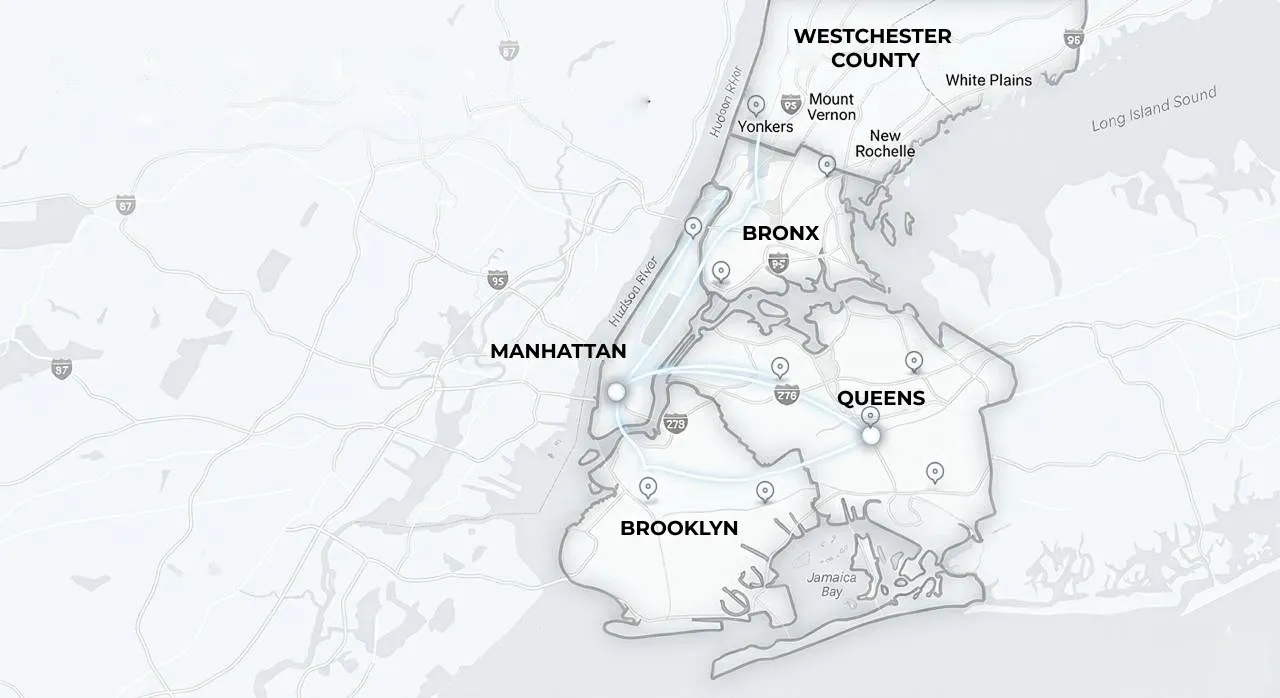
Sterling Cleaning Services provides commercial cleaning support for dental offices and other healthcare environments across New York City. We focus on dependable service, consistent cleaning standards, and cleaning plans built around the way each facility operates.
Our team has trained cleaning professionals who can accommodate dental office operating hours, building access, patient traffic, and other scheduling requirements to minimize disruption.
Our cleaning teams follow a structured dental office cleaning checklist to help ensure that routine tasks are completed consistently.
Discuss your dental office's cleaning requirements with Sterling Cleaning Services today and develop a dependable cleaning plan for your practice.
Frequently Asked Questions:
1. What Is Dental Office Cleaning Compliance?
Dental office cleaning compliance means following the cleaning, disinfection, workplace-safety, and product-use requirements that apply to a dental practice. It also means having clear procedures that staff can follow consistently and reviewing those procedures as the practice's needs change.
2. What Does the CDC Cover in Dental Offices?
The CDC offers dental settings guidance on infection prevention, such as environmental cleaning and disinfection, Standard Precautions, and instrument processing. Its recommendations guide dental offices to develop protocols to minimize the potential for contamination and provide a safer environment for patient care.
3. What OSHA Requirements Apply to Dental Offices?
OSHA requirements for dental offices focus on workplace safety and employee exposure to hazards. Depending on the work being performed, this can include bloodborne pathogens, PPE, hazard communication, chemical safety, training, and exposure-control procedures.
4. What Does the EPA Cover for Dental Office Disinfectants?
The EPA regulates applicable antimicrobial disinfectant products and their labeling. Dental practices should use appropriate products according to the approved label, including directions for application, surface compatibility, dilution, and contact time.
5. What Is the Difference Between Cleaning, Disinfection, and Sterilization?
Cleaning removes dirt, debris, and organic material, while disinfection uses an appropriate product to destroy or inactivate microorganisms on suitable surfaces. Sterilization is a separate clinical process designed to eliminate all forms of microbial life from instruments that require sterilization.
6. How Often Should a Dental Office Be Cleaned?
A dental office should be cleaned according to its patient volume, room usage, operating hours, and established infection-control procedures. High-use areas may need attention throughout the day, while other spaces can follow a routine schedule based on their level of use.