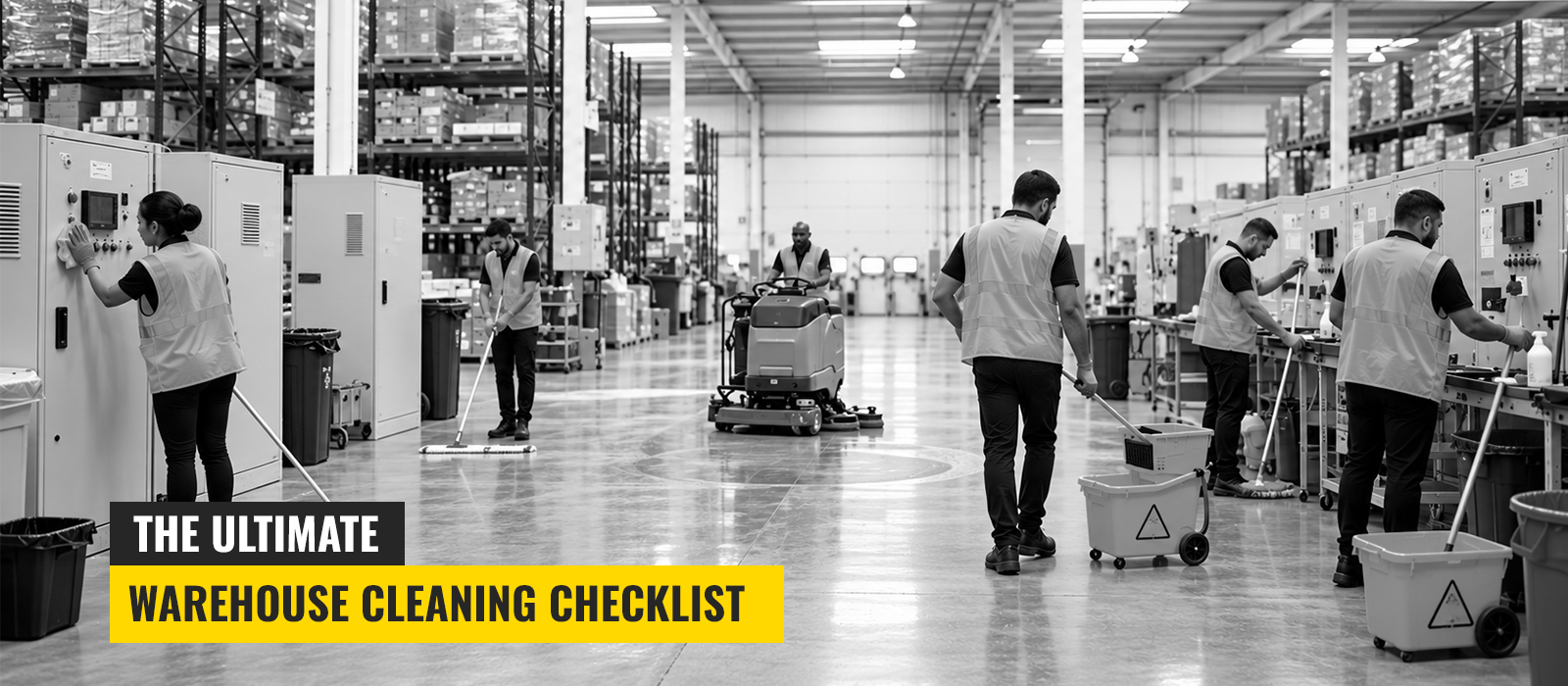
A warehouse is one of the busiest workplaces, yet cleaning is easy to overlook. It may look organized at the start of a shift and still collect dust, loose packaging, spills, and debris as work continues.
Forklifts move between aisles, shipments arrive throughout the day, and employees handle goods across different storage and packing areas. This constant activity can leave your warehouse floors dirty, create dust accumulation, and create obstructions.
Without a consistent cleaning routine, small messes can quickly become harder to manage and create avoidable safety concerns.
In such instances, a Warehouse Cleaning Checklist can prove beneficial. It helps warehouse managers organize cleaning tasks, assign responsibilities, and keep track of work that needs regular attention.
The checklist also helps teams identify hazards and report issues that require repairs rather than routine cleaning. The right approach completely depends on your facility's size, materials handled, and operating schedule.
In this blog, we’ll explore an essential cleaning checklist, explain how to clean different warehouse areas, outline practical safety procedures, and discuss when professional cleaning support may be useful.
Quick Answer
A warehouse cleaning checklist helps businesses maintain a clean, organized, and safer warehouse through consistent cleaning routines.
- Remove dust, debris, and packaging waste.
- Clean spills and keep walkways clear.
- Clean floors, shelving, and equipment.
- Maintain restrooms, break rooms, and loading docks.
- Check HVAC vents and report maintenance issues.
- Schedule daily, weekly, and monthly cleaning tasks.
Why Is Warehouse Cleaning so Important?
A warehouse is one of the busiest workplaces. It witnesses forklifts moving between aisles, shipments arriving throughout the day, and employees handling goods across storage and packing areas.
With so much activity, dust, packaging debris, and dirt can accumulate quickly. It can become airborne during daily operations and affect indoor air quality.
A consistent warehouse cleaning checklist helps businesses address these concerns through scheduled cleaning and regular inspection.
Here's why warehouse cleaning is so important:
- Helps Reduce Dust and Airborne Particles
Dust can enter warehouses through open loading bays, deliveries, packaging materials, and everyday movement. Regular cleaning helps control the accumulated dust that these activities bring.
- Supports Better Indoor Air Quality
Dust and debris can affect the condition of indoor spaces. It is particularly visible in areas with heavy activity. Cleaning floors, accessible surfaces, and other dust-prone areas helps reduce the amount of loose debris available to become airborne.
- Keeps HVAC Systems and Vents Cleaner
Dust can collect around air vents, filters, and HVAC equipment. It can also cause issues in vents and surrounding surfaces. The cleaning schedule helps manage visible buildup. They also handle filter replacement and system maintenance.
- Helps Reduce Slip and Trip Hazards
Spills, loose packaging, and debris can obstruct walkways. Regular cleaning helps employees identify these hazards. They are able to address them promptly.
- Maintains Equipment and Storage Areas
Dust and debris can accumulate around machinery, shelving, and stored goods. A consistent cleaning routine helps maintain these areas. With their help, it becomes easier to identify leaks, damaged surfaces, and other problems that require maintenance attention.
The Complete Warehouse Cleaning Checklist
By now, you know the importance of cleaning a warehouse. However, cleaning is more efficient when employees know what areas need immediate attention, how often each task should be completed, and who is responsible.
Without a clear plan, daily tasks may get done while less visible areas, equipment, and storage spaces receive little attention.
A cleaning checklist for warehouse operations helps managers organize these responsibilities and maintain consistent housekeeping standards.
The following warehouse cleaning checklist breaks down essential tasks by frequency, helping teams plan their work, track completed duties, and keep the facility clean and organized.
Daily Warehouse Cleaning
A daily warehouse cleaning checklist helps employees address dirt, spills, packaging waste, and other issues that develop during regular operations. These tasks keep work areas organized and help teams identify hazards before they interfere with daily activities.
The following are the essential tasks to add to the daily cleaning checklist for a warehouse:
- Sweep or clean floors and remove loose debris.
- Clean spills promptly and keep aisles, walkways, and emergency exits clear.
- Remove cardboard, plastic wrap, and other packaging waste.
- Empty waste bins and clean designated waste collection areas.
- Wipe suitable work surfaces, packing stations, and frequently touched areas.
- Check loading docks and entrances for dirt, moisture, and obstructions.
Weekly Warehouse Cleaning
A Warehouse weekly cleaning checklist should cover areas that need more attention than routine daily cleaning provides. Weekly tasks help remove accumulated dust, residue, and debris from workspaces, storage areas, and shared facilities.
The following are the essential tasks to add to the weekly warehouse cleaning checklist:
- Clean accessible shelving, ledges, doors, and baseboards.
- Remove dust and debris from corners and areas around equipment.
- Clean break rooms, restrooms, and employee workspaces thoroughly.
- Inspect loading docks and high-traffic floors for stubborn dirt and buildup.
- Clean suitable equipment exteriors according to manufacturer instructions.
- Check waste areas for residue, odors, and signs of pest activity.
Monthly Warehouse Cleaning
A monthly schedule helps warehouse managers address less accessible surfaces. It also helps handle recurring maintenance concerns. A general cleaning for a warehouse checklist should include areas that may be missed during daily and weekly routines.
The following are the essential tasks to add to the monthly warehouse cleaning checklist:
- Remove accumulated dust from accessible high surfaces and ledges.
- Clean suitable vents, grilles, and light fixtures according to safety procedures.
- Inspect floors, walls, and storage areas for damage or persistent buildup.
- Clean behind and beneath movable equipment when safe to do so.
- Check for leaks, moisture, unusual odors, and signs of mold.
- Review cleaning records and update task frequencies where necessary.
Deep Cleaning
Deep cleaning addresses collected dirt, heavy buildup, and hard-to-reach areas. It handles the cleaning needs that the routine tasks may not adequately cover. The cleaning of warehouse spaces at this level should be planned around operational demands, equipment requirements, and any hazards associated with the materials handled.
The following are the essential tasks to add to the deep cleaning checklist:
- Arrange appropriate scrubbing or machine cleaning for warehouse floors.
- Detail-clean corners, edges, and accessible areas beneath shelving or equipment.
- Remove stubborn residue from suitable surfaces.
- Arrange specialized cleaning for carpets, upholstery, or other applicable areas.
- Clean loading docks and waste zones thoroughly.
- Inspect completed work and report repairs or hazards requiring further attention.
Areas to Prioritize During Warehouse Cleaning
A warehouse can have a regular cleaning schedule and still have areas that receive too little attention. The challenge is knowing where cleaning effort matters most.
Storage racks, machinery zones, loading docks, and employee facilities each have different maintenance needs, access limitations, and safety considerations.
When you make a cleaning schedule for the commercial building, prioritize these spaces according to their function, condition, and cleaning requirements.
The table below identifies the areas that deserve particular attention and the specific tasks teams should plan for each one:
| Warehouse Areas |
Cleaning Priorities |
Recommended Actions |
| Floors and Aisles |
Floor condition, loose debris, and clear travel routes. |
Clean floors, remove spills, and keep aisles clear. |
| Storage Racks and Shelving |
Dust on shelves, ledges, and rack bases. |
Dust accessible shelves and remove debris around racks. |
| Loading Docks |
Dock surfaces, delivery zones, and entry points. |
Remove waste, clean spills, and clear dock access. |
| Machinery and Equipment |
Exterior surfaces, grease residue, and surrounding areas. |
Clean equipment surfaces following safety procedures. |
| Packing and Workstations |
Work surfaces, packing materials, and waste. |
Remove packaging waste and wipe work surfaces. |
| Restrooms |
Fixtures, touchpoints, floors, and supplies. |
Clean and disinfect fixtures, empty bins, and restock supplies. |
| Break Rooms and Kitchens |
Food preparation surfaces, appliances, and waste. |
Wipe counters, sinks, appliances, and remove food waste. |
| Waste Collection Areas |
Waste containers, surrounding floors, and residue. |
Empty waste containers and clean surrounding surfaces. |
| Vents and Elevated Surfaces |
Dust on accessible vents, grilles, ledges, and fixtures. |
Remove dust from accessible vents, grilles, and ledges. |
| Exterior Entrances and Walkways |
Doorways, outdoor walkways, and tracked-in debris. |
Clear leaves and debris from entrances and walkways. |
Warehouse Cleaning Procedures and Safety Precautions
Warehouse cleaning requires more than assigning routine tasks. Employees may need to work around forklifts, industrial equipment, cleaning chemicals, and heavy storage racks, so every task must follow clear safety procedures.
Without defined responsibilities and precautions, cleaning itself can introduce hazards or interrupt warehouse operations.
A documented Warehouse cleaning procedure helps teams understand how to complete tasks safely, use appropriate protective equipment, and report hazards.
Establish Cleaning Responsibilities
Every cleaning task should have a designated person or team responsible for completing it. Clear assignments help prevent missed work and make it easier for supervisors to track progress.
Use Appropriate Personal Protective Equipment
Cleaning staff may encounter dust, chemicals, sharp debris, and other workplace hazards. The required personal protective equipment (PPE) depends on the task and the risks involved.
- Wear appropriate gloves and protective footwear.
- Use eye protection when the task requires it.
- Follow respiratory protection procedures where applicable.
- Replace damaged or contaminated PPE as required.
Follow Safe Chemical Handling Procedures
Cleaning products must be handled, stored, and applied according to their labels and applicable workplace safety requirements.
- Read product labels and safety data sheets.
- Keep chemicals in properly labeled containers.
- Never mix cleaning products unless the manufacturer explicitly permits it.
- Store chemicals in designated areas.
- Provide employees with appropriate chemical-safety training.
Keep Walkways and Emergency Exits Clear
Cleaning activities should not obstruct forklift routes, pedestrian walkways, emergency exits, or access to safety equipment.
- Keep cleaning carts and equipment out of active travel routes.
- Use appropriate warning signs around wet floors.
- Remove waste and loose debris promptly.
- Maintain access to fire extinguishers and emergency exits.
Inspect and Document Cleaning Work
Regular inspections help managers identify missed tasks, recurring hazards, and maintenance issues. A warehouse housekeeping checklist can provide a consistent way to record completed work and follow up on problems.
- Inspect cleaned areas against the agreed scope.
- Record missed tasks and corrective actions.
- Report damaged floors, leaks, and equipment concerns.
- Review recurring issues and adjust cleaning procedures.
What Supplies and Equipment Are Needed for Warehouse Cleaning?
Business owners know that warehouse cleaning is incomplete without the proper equipment. Floors, shelving, machinery, and loading docks each require suitable tools to remove dirt effectively. The cleaning process should protect surfaces from damage.
Using the right equipment also helps employees complete routine tasks efficiently and manage different cleaning challenges safely.
- Industrial Brooms and Dustpans: Remove loose dirt, packaging debris, and dust from floors and corners.
- Commercial Vacuums: Collect dust and fine particles from suitable floors and surfaces.
- Floor Scrubbers: Clean large hard-floor areas and remove stubborn dirt buildup.
- Mops and Absorbent Materials: Clean suitable surfaces and manage appropriate spills.
- Microfiber Cloths and Extension Dusters: Remove dust from workstations, shelving, ledges, and accessible elevated surfaces.
- Surface Cleaners and Degreasers: Remove dirt, grease, and residue from compatible surfaces.
- Disinfectants: Treat suitable surfaces where disinfection is required.
- Waste Bins and Collection Carts: Collect and transport packaging waste and routine debris.
- Personal Protective Equipment (PPE): Protect employees with appropriate gloves, safety footwear, eye protection, and other task-specific equipment.
- Wet-Floor Signs and Barriers: Warn employees about temporary hazards and restrict access when necessary.
- Specialized Cleaning Equipment: Handle specific tasks such as floor maintenance, elevated cleaning, and spill response.
- Chemical Storage Supplies: Keep cleaning products properly labeled and stored according to applicable safety instructions.
In-House vs. Professional Warehouse Cleaning
Warehouse managers often rely on their own employees to handle routine cleaning alongside daily operational duties. This approach may work for smaller facilities, but larger warehouses often require a more structured approach.
They may need dedicated cleaning staff, specialized equipment, and additional time to maintain consistent standards across the facility. The right approach depends on the warehouse's size, workload, available resources, and cleaning requirements.
The following table compares in-house cleaning with professional services to help you evaluate the differences:
| Factors |
In-House Warehouse Cleaning |
Professional Warehouse Cleaning |
| Staffing |
Existing employees or dedicated internal staff handle cleaning duties. |
A professional cleaning team manages the agreed tasks. |
| Scheduling |
Cleaning must fit around employees' operational responsibilities. |
Cleaning can be arranged around warehouse operating hours. |
| Equipment |
The business purchases, maintains, and replaces cleaning equipment. |
The provider may supply suitable equipment as part of the service. |
| Cleaning Scope |
Tasks depend on available staff, time, and internal procedures. |
The service follows an agreed cleaning scope and schedule. |
| Specialized Cleaning |
Additional training, equipment, or outside support may be needed. |
Specialized cleaning can be arranged according to facility requirements. |
| Quality Control |
Managers oversee completed tasks and address missed work. |
Providers may use checklists, inspections, and supervisor reviews. |
| Staff Coverage |
Employee absences or workload changes can affect cleaning consistency. |
The provider manages staffing for the contracted service. |
| Cost Management |
Costs include wages, supplies, equipment, training, and maintenance. |
Costs depend on the agreed service scope, frequency, and additional requirements. |
| Flexibility |
Changes may require adjustments to internal staffing and workloads. |
Cleaning frequency and service scope can be revised as needs change. |
| Best Fit |
Smaller facilities with lower cleaning demands and available resources. |
Facilities requiring additional capacity, specialized equipment, or consistent scheduled cleaning. |
When Should You Hire Professional Warehouse Cleaning Services?
Keeping a warehouse clean becomes more demanding as the facility grows, inventory increases, and daily operations become more complex. Internal teams may handle routine tasks, but they may lack the equipment or time needed to manage extensive cleaning requirements.
This can lead to inconsistent cleaning standards and neglected areas. Professional support becomes valuable when cleaning demands exceed available staff or recurring problems remain unresolved.
These cleaners follow a structured warehouse cleaning checklist to organize tasks, maintain consistent standards, and ensure that cleaning priorities are addressed according to the facility's needs.
- Cleaning Tasks Are Frequently Missed
When employees balance cleaning with warehouse operations, some tasks may be delayed or overlooked. Professional cleaners provide dedicated support to help maintain consistent standards and complete routine duties on schedule.
- Dust Accumulates in Hard-to-Reach Areas
High shelving, overhead fixtures, and spaces around equipment can collect dust that routine cleaning may not address. Professional teams use suitable equipment and safe access procedures to clean these areas without exposing employees to unnecessary risks.
- The Warehouse Has Heavy Daily Traffic
Facilities with frequent deliveries, forklift movement, and high inventory turnover often require additional cleaning support. Professional cleaners can help manage the workload and maintain the areas that experience the most activity.
- Specialized Equipment Is Required
Large floor areas, stubborn residue, and elevated surfaces may require commercial cleaning equipment or trained personnel. Professional services can provide suitable tools and methods for tasks that exceed the capabilities of standard in-house supplies.
- Safety and Housekeeping Issues Keep Recurring
Frequent spills, cluttered walkways, overflowing bins, or messy storage spaces can signal that the current upkeep plan isn't working. A regular process helps staff deal with these issues and flag hazards for managers.
- In-House Cleaning Costs Are Becoming Difficult to Manage
Maintaining an internal cleaning team involves wages, training, equipment, supplies, and supervision. Outsourcing may help businesses organize these responsibilities under an agreed service arrangement, depending on the facility's workload and budget.
- The Facility Needs Consistent Cleaning Standards
Without clear task assignments and regular inspections, cleaning gaps can become recurring problems. Professional cleaners can establish defined responsibilities, track completed work, and identify areas requiring additional attention.
- Warehouse Operations Are Expanding
Whether due to more storage areas, more shifts, more inventory, or shipping operations going into overdrive, facility cleaning requirements can increase. Professional services can adjust their cleaning scope and schedule as the facility grows, reducing the burden on existing employees.
Keep Your Warehouse Clean With Professional Support
In businesses, a cleaning checklist for warehouses is used to outline cleaning tasks correctly, keep work areas clear, and identify maintenance issues. Regular cleaning routines allow teams to better manage dust, debris, and shared facilities as well.
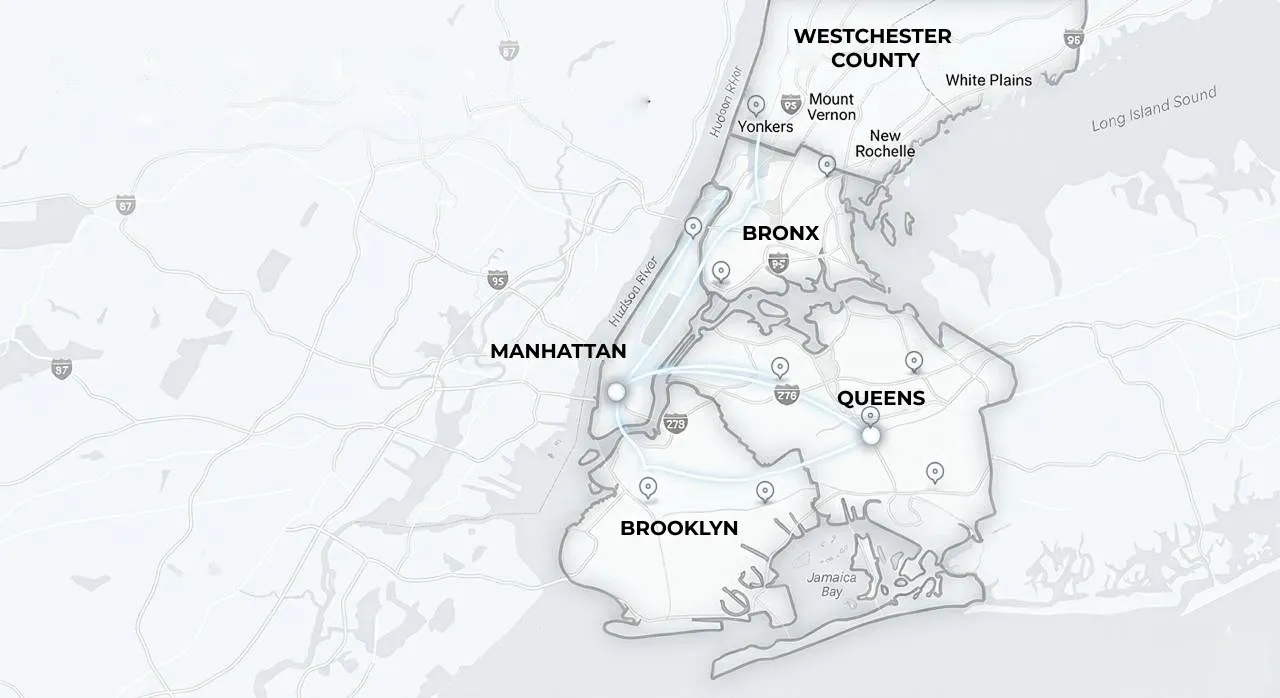
Sterling Cleaning Services provides commercial cleaning support for warehouses and other business facilities across New York City. Our trained cleaning professionals follow defined procedures and work around your operating hours, facility layout, and cleaning requirements to maintain consistent standards.
We understand the importance of property management cleaning compliance when maintaining commercial facilities. We work out cleaning schedules, adhere to responsibilities assigned to us, and report problems that need urgent attention, helping property managers maintain organized, well-maintained spaces.
Discuss your warehouse cleaning requirements by connecting with Sterling Cleaning Services today!
Frequently Asked Questions
- How often should a warehouse be professionally cleaned?
A warehouse should be professionally cleaned daily, with weekly, monthly, and deep-cleaning tasks scheduled according to its needs. High-traffic facilities may require more frequent attention because forklifts, deliveries, and constant movement increase the amount of dirt and debris.
- What is the most important area to clean in a warehouse?
Warehouse floors and aisles are among the most important areas that need thorough cleaning. Debris, spills, and obstructions can create safety hazards for employees and vehicles. Even the loading docks, machinery zones, and storage areas require proper cleaning.
- What should a warehouse cleaning checklist include?
A warehouse cleaning checklist should cover floors, aisles, shelving, loading docks, equipment areas, and more. The document should include the cleaning frequencies, assigned tasks, and maintenance issues that need to be reported.
- What cleaning equipment is best for large warehouses?
Industrial vacuums, floor scrubbers, commercial brooms, and dust-control equipment are used for cleaning warehouses. The right tool depends on your facility's size, floor surfaces, and type of debris.
- Can warehouse employees handle cleaning without professional help?
Yes, warehouse employees can handle routine cleaning. It is possible only when they have sufficient time, training, and suitable equipment. It is better to hire professional support when you need extensive cleaning.
- When should a business hire professional warehouse cleaning services?
A business should hire professional warehouse cleaning services when internal staff cannot maintain consistent cleaning standards. The experts can provide additional cleaning capacity, suitable equipment, and a structured schedule for addressing the warehouse's specific cleaning needs.