Have you ever noticed how quickly patients form an opinion about your dental practice? Before they sit in the treatment chair, they start observing the overall cleanliness of your facility.
Even minor issues like dusty surfaces, unpleasant odors, or cluttered workspaces can reduce their confidence. For dental practices, cleanliness goes far beyond appearance.
Every treatment room, instrument, and high-touch surface must be cleaned consistently to help reduce the risk of cross-contamination. Hiring medical office cleaning services can help prevent infections and maintain a safe environment for both patients and staff.
The work becomes easier when you follow a structured dental office cleaning checklist. It helps the cleaning team follow a consistent cleaning routine, stay organized during busy schedules, and ensure that no critical task is overlooked.
If you're looking for a practical guide to maintaining a cleaner, safer, and more efficient dental practice, you're in the right place.
In this blog, we'll explain the importance of a dental cleaning checklist, common cleaning mistakes to avoid, and share practical tips for maintaining a consistently hygienic workplace.
Why Every Dental Practice Needs a Dental Office Cleaning Checklist?
Dental practices operate in a fast-paced environment where patients and their family members keep moving. They constantly touch and use the treatment rooms, waiting areas, sterilization zones, restrooms, and shared spaces.
The high traffic increases the chance of dust and contamination. It increases the need for continuous attention throughout the day. With multiple appointments and patient turnover, even a single missed cleaning task can affect hygiene standards and disrupt the daily workflow.
In such cases, a structured dental office cleaning schedule can provide a clear framework for daily operations. It would also help prevent infection and help maintain a high level of cleanliness.
Supports Consistent Infection Prevention
Dental practices experience continuous patient movement throughout the day. They touch the handles, equipment, seats, and other common touch areas.
The constant touch increases the chance of contamination from dust and microbes.
A documented dental cleaning protocol ensures that treatment rooms, equipment, and frequently touched surfaces are cleaned consistently between patients.
Helps Maintain High Hygiene Standards
Every dental practice should follow established dental office hygiene standards to create a safe environment for patients and staff.
A cleaning checklist helps ensure that critical cleaning tasks are completed on schedule rather than being missed during busy working hours.
Improves Team Accountability
When cleaning responsibilities are clearly assigned, every team member understands their role in maintaining a clean practice. Instead of assuming someone else completed a task, staff can follow the checklist.
It can also help you verify that cleaning has been carried out properly. Following a dental office maintenance checklist helps create a more reliable and organized workflow.
Creates a Better Patient Experience
Patients naturally feel more comfortable when they enter a practice that is clean, organized, and well-maintained. A consistently maintained office reflects professionalism and attention to detail.
It helps the new patient build confidence before treatment even begins. An organized and clean hospital would also create a positive brand image.
Your Trusted Dental Cleaning Partner
Makes Cleaning Easier to Manage
Cleaning a dental office involves numerous daily, weekly, and monthly responsibilities. Professional janitorial cleaning service providers use a documented checklist to handle the essential tasks.
They prioritize tasks such as in-depth cleaning of HVAC systems, organizing equipment, or scheduling periodic maintenance.
Supports Regulatory Compliance
Dental practices should follow cleaning and disinfection procedures that align with recommendations from organizations such as the Centers for Disease Control and Prevention (CDC) and the Occupational Safety and Health Administration (OSHA).
In this regard, using a dental office maintenance checklistcan help you maintain consistent routines. Through a systematic process, you will be able to support safer clinical environments and follow infection prevention protocols.
Dental Office Cleaning Template Checklist
Now that you know the importance of cleaning a dental practice, you may be wondering: how to create a checklist?
Before you create the task-related document, you need to understand that medical spaces require more than occasional cleaning. Every area of the practice experiences different levels of patient and staff activity.
This increases the need to follow a structured healthcare facility cleaning routine. A smart choice would be to divide tasks into daily, weekly, and monthly schedules. It will help maintain consistency, support infection prevention, and ensure no critical responsibility is overlooked.
The following dental clinic cleaning checklist can help your team maintain a clean, organized, and compliant practice. When the professionals follow a systematic cleaning method, they can effectively create a safer environment for patients and staff.
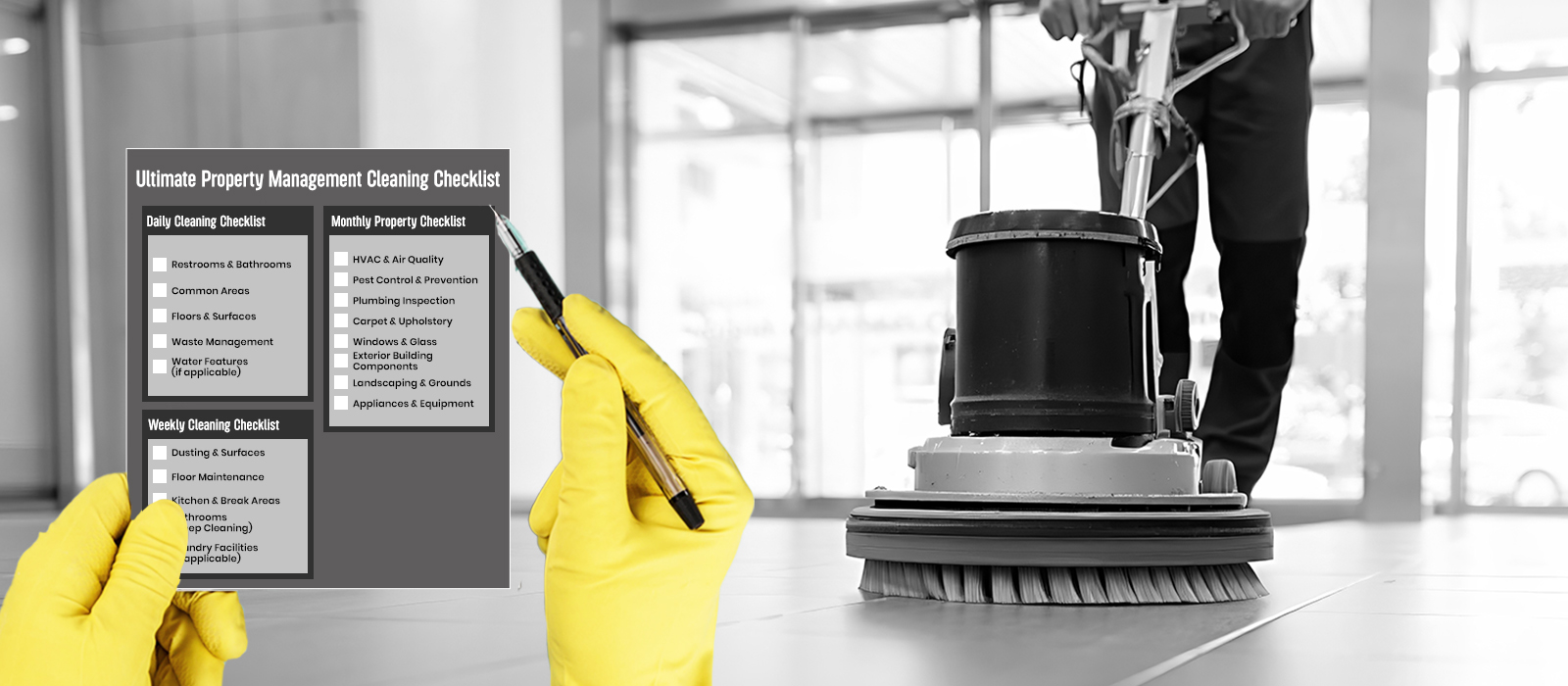
Daily Dental Office Cleaning Checklist
Daily cleaning focuses on high-touch surfaces and frequently used areas to maintain a sanitized dental workspace throughout the day.
- Clean and disinfect dental chairs after every patient.
- Wipe treatment trays, countertops, and workstations.
- Disinfect high-touch surfaces, including door handles, light switches, keyboards, and phones.
- Empty trash and biomedical waste containers following proper disposal procedures.
- Clean and disinfect sinks, faucets, and countertops.
- Vacuum or mop floors in treatment rooms, reception areas, and hallways.
- Sanitize reception desks, waiting room furniture, and payment terminals.
- Clean and disinfect restrooms while restocking essential supplies.
- Refill gloves, masks, paper products, and hand sanitizer stations.
- Inspect sterilization areas and organize cleaned instruments.
Weekly Dental Office Cleaning Checklist
Weekly cleaning addresses areas that do not require daily attention but are essential for maintaining an efficient office cleanliness routine.
- Clean interior glass doors, windows, and partitions.
- Dust cabinets, shelves, vents, and light fixtures.
- Disinfect storage areas and supply cabinets.
- Clean upholstered chairs and waiting room furniture.
- Inspect and clean baseboards and corners.
- Organize inventory and remove expired supplies where necessary.
- Deep clean staff breakrooms and kitchen appliances.
- Inspect plumbing fixtures for leaks or maintenance concerns.
- Clean office equipment and shared electronics.
Monthly Dental Office Cleaning Checklist
Monthly cleaning focuses on preventive maintenance. Dental offices can hire deep cleaning services for high-traffic areas to make the space safe and maintain long-term cleanliness.
- Perform thorough cleaning of carpets, upholstery, and flooring.
- Clean HVAC vents and replace filters if necessary.
- Deep clean storage rooms and rarely accessed areas.
- Inspect treatment rooms for maintenance issues.
- Clean walls, ceilings, and hard-to-reach spaces.
- Polish hard flooring with gentle cleaning solutions when needed.
- Dispose of biomedical waste and sanitize the equipment.
- Clean under the bathroom sinks, toilet seats, and other hidden areas.
- Evaluate cleaning supplies and replenish inventory.
- Schedule professional dental facility cleaning for areas requiring specialized attention.
Essential Tools & Supplies for Dental Office Cleaning
You need to understand that having a structured cleaning checklist is only one part of maintaining a hygienic dental practice. It is also essential to teach your cleaning staff to use the right cleaning tools and supplies.
For instance, teaching them to use gentle and eco-friendly cleaning agents for different surfaces will ensure that the equipment remains long-lasting.
The right techniques will ensure every task is completed efficiently while supporting infection prevention. Keeping the essential tools readily available allows staff to clean consistently without interruptions.
Every dental practice should keep the following tools and supplies on hand:
- EPA-registered disinfectants approved for healthcare settings.
- Surface cleaners for countertops, dental chairs, and treatment units.
- Microfiber cloths and color-coded cleaning cloths to reduce cross-contamination.
- Mop, bucket, wringer, and healthcare-grade floor cleaners.
- HEPA-filter vacuum cleaner for carpets and upholstered furniture.
- Cleaning brushes for grout lines, corners, and hard-to-reach areas.
- Spray bottles and portable cleaning caddies for organized cleaning.
- Disposable gloves, face masks, protective eyewear, and protective aprons.
- Hand soap, alcohol-based hand sanitizer, and disposable paper towels.
- Disinfectant wipes for frequently touched surfaces and shared equipment.
- Biomedical waste containers and sharps disposal containers.
- Heavy-duty trash liners and clearly labeled waste segregation bins.
- Paper towels, tissues, and restroom hygiene supplies.
- Cleaning logs or digital checklists to track completed cleaning tasks.
- Wet floor caution signs to improve workplace safety during cleaning.
How to Implement Your Dental Office Cleaning Checklist?
By now, you know the importance of following a cleaning checklist in a medical office. The simple document helps the cleaners follow the right cleaning schedules and ensure every area is prioritized.
However, simply creating a checklist won't ensure that the dental offices are properly maintained. You need to follow a structured implementation process. It will help to maintain consistency and ensure every cleaning task is completed on time.
You should ensure that the checklist is followed by the entire team. Without clear responsibilities, regular monitoring, and proper documentation, achieving the cleaning goals would become difficult.
Following these implementation steps helps practices maintain dental office health standards while creating a safer environment for patients and employees.
Step 1: Assign Cleaning Responsibilities
Clearly define the roles and responsibilities for each cleaning task. Assigning tasks to specific cleaners would eliminate confusion and improve accountability. It will ensure that every area of the practice receives the attention it needs.
Step 2: Train Your Team on Proper Cleaning Procedures
You should make sure to provide regular training on cleaning protocols, proper disinfectant usage, and equipment handling to your cleaning staff. It will help them perform their responsibilities consistently while reducing the risk of cross-contamination.
Step 3: Prioritize Staff Hygiene Management
Encourage proper staff hygiene management by reinforcing hand hygiene practices, like the correct use of personal protective equipment (PPE). Ensuring the safe handling of contaminated materials and proper disposal will make the dental office hygienic. These practices play an important role in maintaining a hygienic clinical environment.
Step 4: Keep a Cleaning Log
Use a printed or digital checklist to record completed medical office cleaning tasks. Maintaining a cleaning log helps verify that daily, weekly, and monthly responsibilities are completed consistently. It will also help you identify missed tasks and reduce the chances of repairs.
Step 5: Schedule Regular Inspections
Make sure to review your cleaning routine regularly. It will ensure that all procedures are being followed correctly. Routine inspections help identify areas that may require additional attention.
Step 6: Keep Cleaning Supplies Fully Stocked
You should also regularly check your inventory for items like disinfectants, PPE, paper products, and other essential cleaning supplies. Having the right materials readily available allows staff to complete cleaning tasks without interruptions.
Step 7: Review and Update the Checklist Periodically
As your practice grows, new equipment is introduced. You should change the checklist as per the changing workflows. Keep revisiting your cleaning checklist to ensure it remains effective. Updating the document also helps your team maintain consistent cleaning standards while adapting to the evolving needs.
Schedule Professional Dental Office Cleaning
Common Mistakes to Avoid When Cleaning a Dental Office
Every dental practice owner must know that even with a well-planned cleaning checklist, simple mistakes can cause big blunders.
Overlooking high-touch surfaces, using the wrong cleaning products, or following inconsistent cleaning routines can increase the risk of cross-contamination.
Recognizing these common mistakes allows your team to maintain higher cleaning standards. Such practices can ensure every part of the practice receives proper attention.
Avoid these common dental office cleaning mistakes:
- Using the wrong cleaning or disinfecting products for cleaning surfaces.
- Skipping high-touch surfaces such as dental chairs, door handles, or high-touch surfaces.
- Scrubbing the equipment harshly without following the instructions.
- Using the same cleaning cloth or mop across multiple areas.
- Overlooking waiting rooms, reception areas, and staff breakrooms.
- Avoiding proper disposal of biomedical waste or letting regular trash bins overflow.
- Missing scheduled deep cleaning sessions for carpets, upholstery, air vents, and hard-to-reach areas.
- Failing to maintain proper cleaning records or monitor completed tasks.
- Neglecting regular inspections of cleaning supplies and equipment.
- Trying to manage complex healthcare cleaning requirements without professional support.
Streamline Your Dental Office Cleaning with Sterling Cleaning Services
Following a structured dental office cleaning checklist is one of the most effective ways to maintain a cleaner, safer, and more organized dental practice.
Consistent cleaning routines effectively support infection prevention and create a professional environment. The thorough cleaning also helps create a positive experience for every patient who walks through your doors.
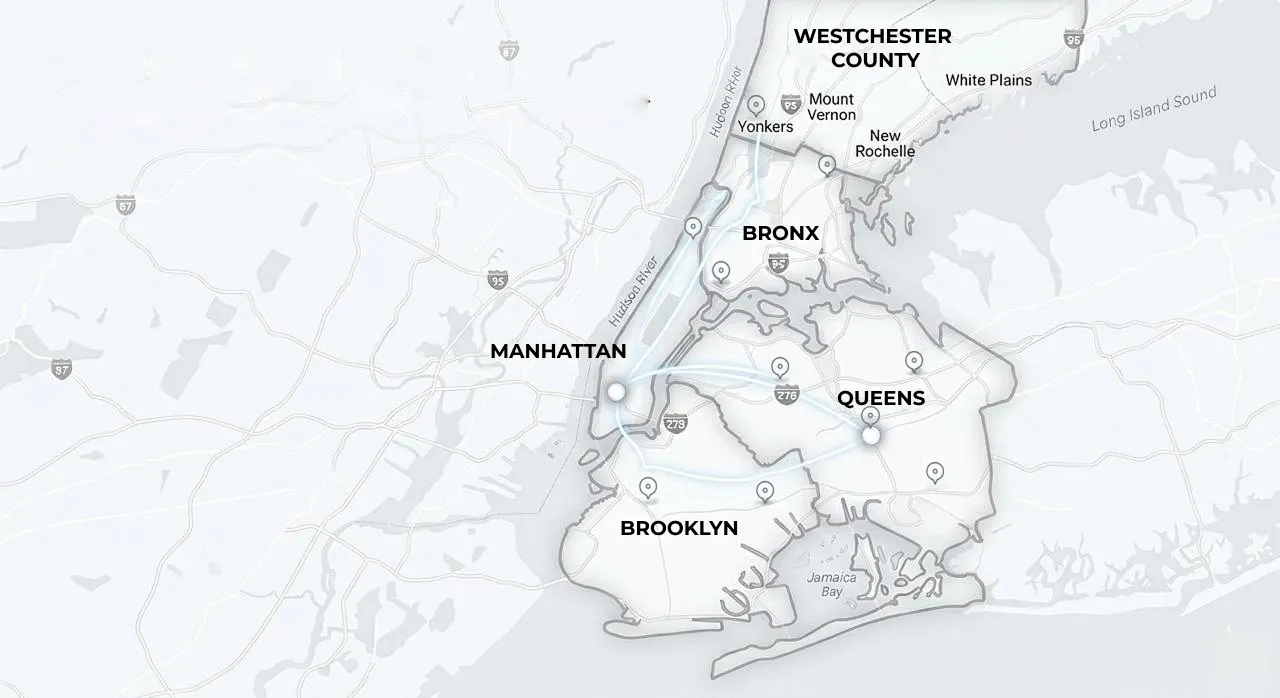
At Sterling Cleaning Services, we deliver customized cleaning solutions for dental practices across New York. Our experienced professionals understand the unique cleaning needs and maintain healthcare cleaning standards for patient safety.
Whether you need routine maintenance or specialized cleaning, our trained team is well-equipped to meet your practice's specific needs.
Keep your practice consistently clean and safe by connecting with Sterling Cleaning Services today!
FAQs
- How often should a dental office be professionally cleaned?
The cleaning needs should be based on your dental practice's size and cleanliness goals. Most dental practices benefit from periodic professional dental office cleaning services. The exact frequency would also depend on the patient volume and the types of procedures performed. Scheduling deep cleaning helps maintain a consistently hygienic and professional environment.
- What is included in a dental office cleaning checklist?
A comprehensive dental office cleaning checklist typically includes daily, weekly, and monthly tasks. It includes essential tasks like disinfecting treatment rooms, sanitizing high-touch surfaces, cleaning waiting areas, maintaining restrooms, and more.
- Why is cross-contamination prevention important in dental offices?
Dental professionals work in environments where multiple patients are treated throughout the day. It can increase the chances of cross-contamination and health issues. This is the reason why following proper cleaning and disinfection procedures is vital.
- Should dental practices hire professional cleaning services?
Yes, dental practices should hire professional cleaning services. They have a trained staff who know the guidelines and regulations. These experts help practices maintain consistent hygiene standards and support a cleaner, safer environment for patients and employees.