Imagine a day when a client is scheduled to visit your office in an hour. Employees are settling in, the coffee station already has a few spills, and the conference room still has clutter from yesterday's meeting.
Your in-house team is doing its best to get everything in order. However, making the office look organized, hygienic, and visitor-ready on short notice isn't always easy.
Client meetings, interviews, vendor appointments, and unexpected visitors are all part of running a business. Even minor signs of clutter or neglected cleaning can leave a poor impression on clients.
Untimely cleaning or inconsistent upkeep can lead to dust accumulation and contamination. It can further create a less comfortable environment for employees.
This is the primary reason why knowing how to keep an office clean between professional visits becomes so important.
If you are looking for practical ways to keep your offices always client-ready between scheduled appointments, then you have come to the right place.
In this blog, we'll discuss why workplace cleanliness matters, practical ways to maintain it, and common mistakes to avoid between professional cleaning visits.
Why is Maintaining a Clean Office Between Professional Visits So Important?
Before exploring how to maintain a clean office between professional visits, it's important to understand why regular cleaning matters in the first place.
It is an obvious fact that offices experience constant movement throughout the day. Employees use shared areas, and everyday activities bring in dust, dirt, and clutter.
Without proper cleaning, these small issues can accumulate and affect the overall workplace environment. This increases the importance of office cleaning, which goes beyond having a space that simply looks good.
Keeping a clean office supports employee comfort, creates a better experience for visitors, and helps maintain a professional standard throughout the week.
The following reasons explain why keeping an office clean between client visits is so important:
Creates a Strong First Impression
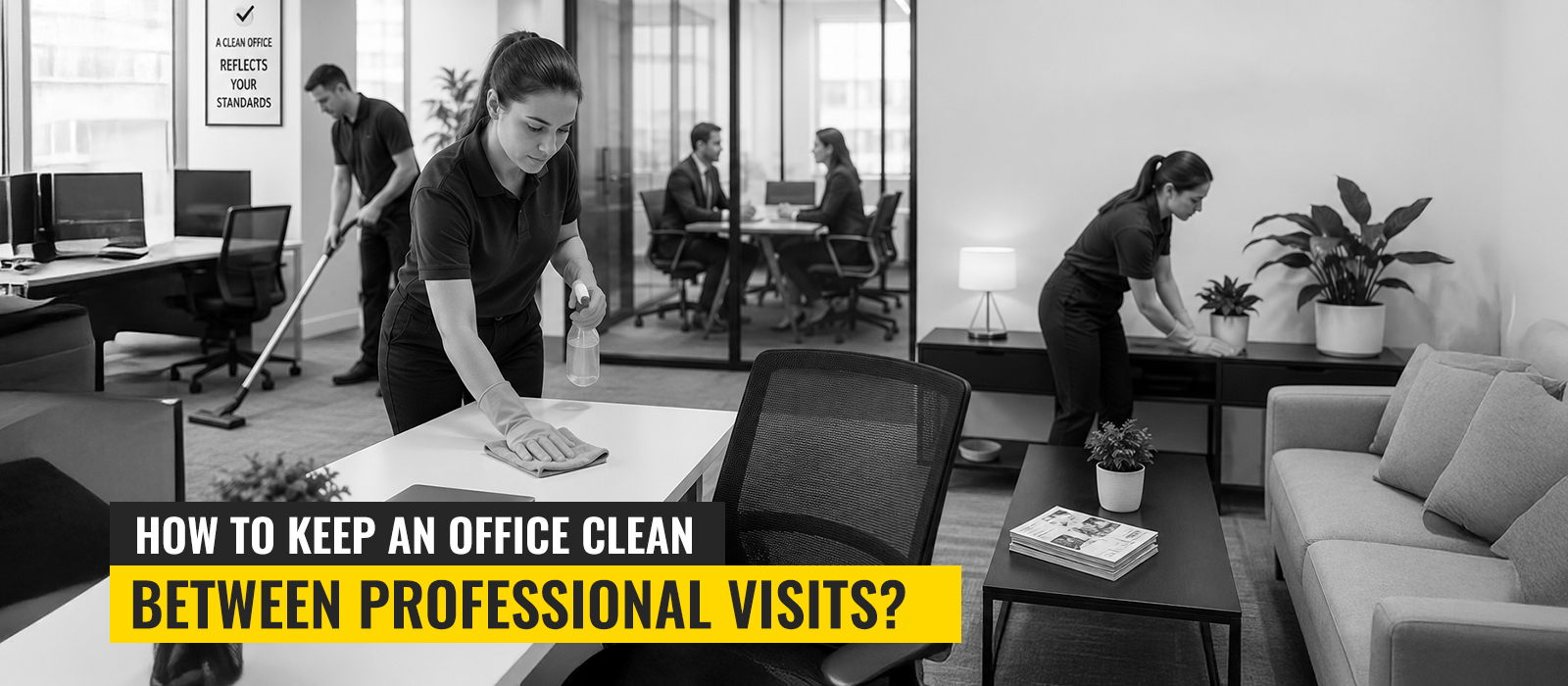
Your office environment often shapes the client or visitor's first impression of your business. Before the person starts a meeting or a candidate sits down for an interview, they notice the space around them.
A cluttered reception area, stained carpet, or untidy conference room can affect how clients see your company. The lack of cleanliness can impact their overall experience while visiting your company.
Simple daily cleaning habits keep these areas ready for visitors. Keeping meeting rooms organized, clearing shared surfaces, and addressing visible messes helps maintain a professional environment.
Supports a Healthier Workplace
A busy office often struggles with the dust, debris, and germs throughout the day. Even employees spend several hours each day inside the office.
The condition of their surroundings can affect their overall comfort and workplace experience. Unclean shared spaces, dust buildup, and neglected spaces can compromise the well-being of employees. Regular maintenance helps keep these common problem areas under control.
Prevents Small Cleaning Issues
Most office cleaning problems start small. A coffee spill on a carpet or clutter building up around workstations may not seem urgent at first.
However, when these issues are ignored, they often become harder to manage. Stains become more difficult to remove, or odors can develop, making it difficult for cleaning teams to restore the space.
Consistent maintenance helps prevent this buildup. It allows janitorial services in NYC
providers to focus on deeper cleaning tasks and maintain a higher standard of cleanliness during each scheduled visit.
Enhances Workplace Safety
Office safety isn't only about emergency procedures or workplace policies. Everyday cleaning plays an important role in ensuring that employees stay safe.
Wet floors, loose cables, cluttered walkways, and overflowing trash bins can all increase the risk of slips or avoidable accidents.
Simple tasks, like immediately cleaning spills or storing supplies properly, can help create a safer environment for employees and visitors. These small actions reduce hazards before they become larger workplace concerns.
Keep Your Office Looking Its Best Every Day
Safeguard Office Furniture and Equipment
Office furniture, flooring, and shared equipment are quite expensive. Without regular care, dust, dirt, and moisture can impact these surfaces.
The accumulated dirt can lead to stains, discoloration, and unnecessary damage. Professional cleaning helps preserve the condition of carpets, desks, chairs, and other frequently used items.
It also prevents dirt from becoming deeply embedded. In this way, office cleaning services in NYC providers help reduce the need for costly repairs or replacements over time.
Create a Simple Office Cleaning Routine
Now that you understand the importance of office cleaning, you need to work on creating a routine that's easy to follow. It is not necessary to have an overly detailed cleaning schedule to keep your workplace in good condition.
Office cleaning becomes much easier when it's part of a routine instead of a last-minute task. A smart method is to divide responsibilities into daily, weekly, and organizational activities.
Such approaches help prevent dirt, clutter, and unnecessary maintenance from piling up. A structured workplace cleaning routine also makes it easier to maintain a professional environment between scheduled cleaning visits.
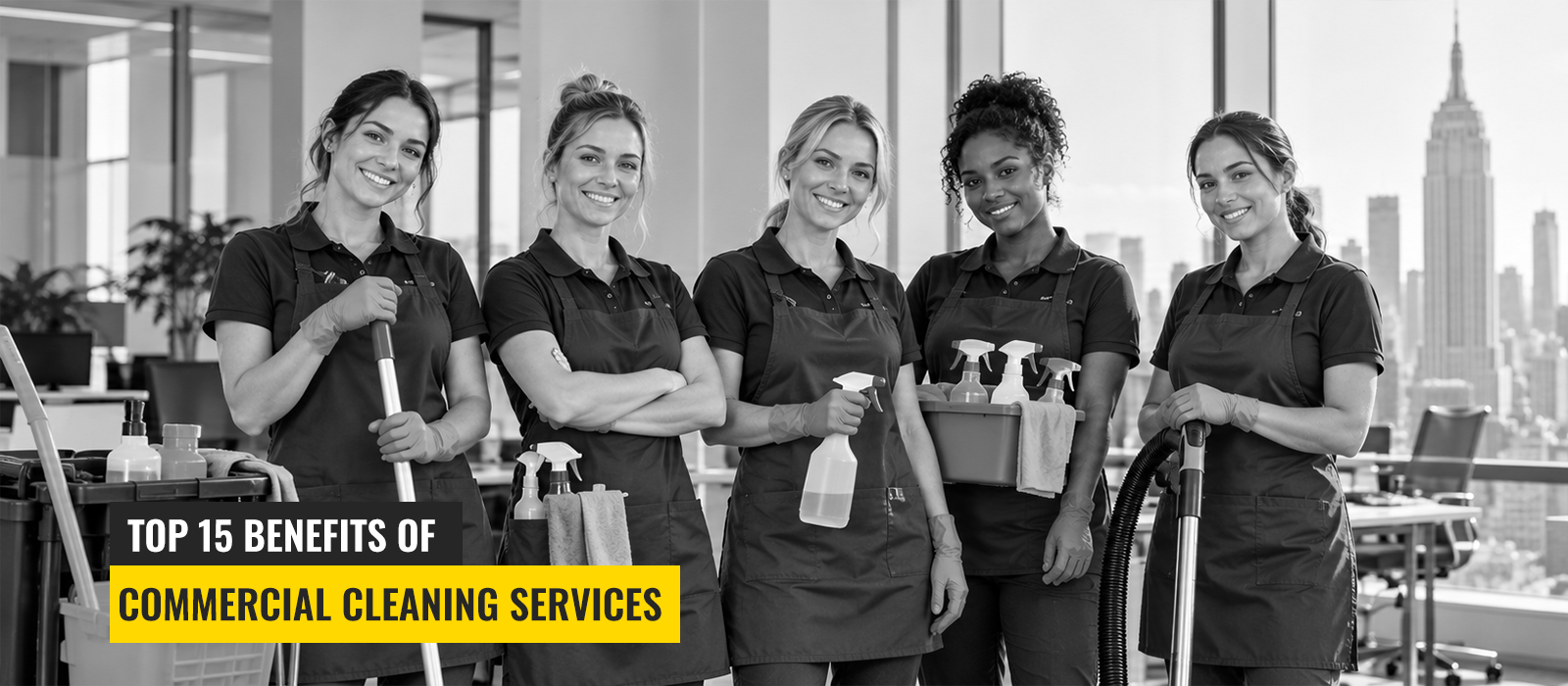
Your goal should be to handle routine cleaning tasks without disrupting the regular workflow. Taking the help of commercial office cleaning services ensures every area is cleaned according to a structured plan and consistent cleaning standards.
Daily Cleaning Routine
In a commercial setting, there is continuous activity. Employees use desks for hours, meeting rooms, and break areas throughout the day.
Without regular cleaning, these spaces can quickly accumulate dirt and become disorganized. It can impact the image during professional visits.
In such cases, using a daily office cleaning checklist can help handle the simple tasks. Completing these tasks consistently helps maintain a cleaner office throughout the week.
- Wipe desks and shared workstations before leaving for the day.
- Clean spills immediately to prevent stains and sticky surfaces.
- Disinfect frequently touched items such as keyboards, phones, and door handles.
- Dispose of food waste and replace overflowing trash liners.
- Clean and wipe floors to enhance overall cleanliness.
- Return meeting rooms to an organized condition after each use.
- Wipe down coffee stations, countertops, and sinks after use.
Weekly Deep Cleaning
Weekly deep cleaning takes care of the areas that are often overlooked during the regular cleaning. These hard-to-reach areas collect dust and dirt gradually, making them easy to overlook during a busy workweek.
Setting aside time each week for these spaces helps maintain a cleaner office and prevents buildup from becoming more difficult to remove.
Professional office deep cleaning focuses on handling specialized cleaning that requires commercial-grade equipment, products, and expertise.
A weekly routine may include:
- Vacuum carpets and high-traffic areas.
- Dust shelves, window sills, and decorative fixtures.
- Sanitize and clean interior glass doors and partitions.
- Organize storage cabinets and supply rooms.
- Remove expired food from refrigerators and pantry areas.
- Wipe baseboards and other surfaces that aren't cleaned every day.
- Sanitize restrooms to ensure a clean and hygienic space for employees.
Organizing and Decluttering
Do you know that cleaning becomes much more effective when workspaces are organized? Cluttered desks, overflowing storage cabinets, or tangled cables can make surfaces harder to clean.
It allows dust to collect in places that are often overlooked. It is therefore essential to keep the work desks and equipment area organized. Another effective way is to throw away unused items or waste to create more open space.
Such small habits practiced consistently can make a noticeable difference in how the workplace looks and functions.
Some simple ways to reduce clutter include:
- Return office supplies to their designated storage areas.
- Clear unnecessary paperwork from desks at the end of each day.
- Organize cables to reduce dust buildup and eliminate trip hazards.
- Keep cleaning supplies stocked and easy to access.
- Leave hallways, exits, and shared spaces free of unnecessary items.
- Motivate employees to clean up after themselves and keep their things organized.
Focus on High-Touch Surfaces Every Day
Daily office activity in offices naturally brings employees into contact with the same surfaces again and again. Door handles, elevator buttons, printers, coffee machines, and shared workstations are accessed by multiple people.
These areas can quickly collect fingerprints, dirt, and germs, making them a priority for routine cleaning. Such practices help maintain better workplace hygiene and prevent dirt and germs from accumulating.
Giving high-touch areas daily attention helps maintain a cleaner workplace, especially during cold and flu seasons. In this regard, office disinfecting services can prove to be helpful.
These professionals use industrial-grade equipment and specialized techniques to maintain hygiene in the high-traffic areas. They help maintain a cleaner office environment to make it presentable for employees, clients, and visitors.
The following areas should be cleaned and disinfected regularly:
- Wipe door handles, light switches, elevator buttons, and handrails at least once a day.
- Disinfect shared office equipment, including printers, copiers, telephones, keyboards, computer mice, and more.
- Clean coffee machines, refrigerator handles, microwaves, water dispensers, and pantry countertops.
- Sanitize conference room tables, chair armrests, remote controls, and presentation equipment after meetings.
- Pay equal attention to reception desks, visitor seating, sign-in kiosks, and other customer-facing touchpoints.
- Keep disinfectant wipes or approved cleaning products readily available so employees can quickly clean shared surfaces whenever necessary.
Keep Shared Spaces Clean and Organized
Offices are where employees spend a significant part of their day. Throughout working hours, people move between desks, attend meetings, use shared equipment, and gather in common areas. With so much daily activity, it's only natural for dust, dirt, and germs to build up over time.
Common areas like the shared desks, conference rooms, cafeterias, and washrooms remain busy throughout the day. They collect everyday contaminants that can spread without proper cleanliness.
Following a cleaning schedule or checklist for these areas keeps them pleasant to use and reduces the amount of work needed later. Keeping these spaces clean and organized will again help you create a welcoming environment for visitors and employees.
Some of the areas that deserve regular attention include:
- Wipe cafeteria tables, countertops, and pantry appliances after periods of heavy use.
- Empty trash bins before they overflow and replace liners when needed.
- Clean conference room tables, chairs, whiteboards, and presentation equipment.
- Sanitize shared desks, reception counters, and visitor seating.
- Keep washroom countertops, sinks, mirrors, and frequently touched fixtures clean.
- Organize magazines, brochures, and other shared items in reception.
- Return chairs, office supplies, and shared equipment to their designated places after use.
Manage Office Waste Efficiently
Dirty or smelly trash bins are signs that an office needs attention. Overflowing dustbins, food waste left in the pantry, or mismanaged recycling containers can make even a well-maintained office appear untidy and poorly managed.
If a client walks in during that time, these small details can leave a negative impression. Poor waste management can also create unpleasant odors, attract pests, and make the office unhygienic for employees.
In such cases, following a simple waste disposal routine can keep the office cleaner throughout the day. It helps prevent unnecessary buildup between professional cleaning visits.
A well-managed waste disposal system keeps the workplace looking organized throughout the day. It ensures that visitors see an office that reflects professionalism and attention to detail.
A few simple practices can make waste management more effective:
- Empty trash bins in reception areas, meeting rooms, and break rooms.
- Separate general waste, recyclable materials, and food waste.
- Dispose of food waste every day to prevent odors.
- Replace damaged or leaking trash liners immediately to avoid spills.
- Keep waste bins clean by wiping both the inside and outside regularly.
- Place waste and recycling bins in convenient locations to encourage proper disposal.
- Remind employees to dispose of cups, food containers, and packaging before leaving shared spaces.
Common Office Cleaning Mistakes to Avoid Between Professional Visits
By now, you already have a better understanding of the habits that help keep an office clean. You may also be wondering what happens when a few important details are overlooked.
The answer is simple. These minor cleaning issues can gradually turn into larger maintenance problems, affecting the appearance of your workplace.
Many of these problems aren't always caused by a lack of effort. They occur when clutter, dust, or hygiene concerns build up due to ignorance.
Recognizing these common mistakes early makes it easier to maintain a clean, organized, and visitor-ready workplace.
Some of the most common office cleaning mistakes to avoid are:
- Delaying the cleanup of spills and stains – Leaving food spills or stains unattended can lead to permanent stains or unpleasant odors. It can cause slippery surfaces that increase the risk of accidents.
- Ignoring high-touch surfaces - Door handles, elevator buttons, shared desks, printers, and coffee machines are used throughout the day. Cleaning them only when they look dirty allows germs and contaminants to accumulate.
- Allowing clutter to pile up - Files, packaging materials, office supplies, and personal belongings left on desks make cleaning more difficult. It can create an untidy environment for employees and visitors.
- Overlooking shared spaces - Conference rooms, reception areas, pantries, and washrooms often receive the highest foot traffic. When these areas aren't checked regularly, they can quickly lose the professional appearance expected by clients.
- Using unsuitable cleaning products - Every office has different surfaces that require specialized cleaning. Incorrect products may damage furniture, electronic equipment, glass surfaces, or flooring while reducing cleaning effectiveness.
Ready for a Cleaner, More Productive Office?
Long-Term Strategies for Maintaining a Cleaner Office Year-Round
Keeping an office clean is about creating habits and systems that make cleanliness part of the workplace culture. The cleaning staff needs to be proactive instead of waiting until clutter, dust, or maintenance issues become noticeable.
Small improvements made consistently can help enhance the professionalism and cleanliness of the premises. It would also extend the life of office furnishings and create a workplace that's always ready for employees and visitors.
Here are a few strategies that can make a lasting difference:
- Create a written cleaning schedule with clear responsibilities for shared spaces.
- Encourage employees to keep their workstations organized.
- Place disinfectant wipes, hand sanitizer, and cleaning supplies in easily accessible locations.
- Conduct periodic workplace inspections to identify cleaning issues.
- Train employees on basic workplace cleanliness expectations.
- Schedule seasonal cleaning for carpets, upholstery, windows, and other areas.
- Take help from reliable commercial janitorial services to maintain consistent cleaning standards throughout the year.
When is the Right Time to Call Professional Office Cleaners?
Daily maintenance plays an important role in keeping your office clean, but it has its limitations. Even though you have internal staff, they may often miss the critical spots that need special attention.
In such cases, taking the help of scheduled office cleaning services in NYC would be a smart choice. They have specialized equipment, commercial-grade products, and trained professionals to deliver the desired results.
Such an approach will help enhance workplace hygiene, employee comfort, and leave a good impression on clients and visitors.
You should schedule office deep cleaning services if you notice:
- Carpets, upholstery, or hard floors are quite dirty despite regular maintenance.
- Dust on desks, vents, shelves, and other surfaces.
- Restrooms, break rooms, or pantry areas develop persistent odors.
- Stains, fingerprints, and smudges become noticeable on glass doors.
- Employee absenteeism increases during cold and flu seasons.
- Your office is preparing for client meetings, inspections, corporate events, or other important business visits.
- Routine cleaning tasks are interrupting productivity.
Keep Your Workplace Ready for Every Business Day
Learning how to keep an office clean between professional visits is essential for maintaining a workplace that reflects professionalism. By following a consistent cleaning routine and paying attention to shared spaces, you can create a healthier, more organized, and client-ready workplace.
Keeping up with these responsibilities becomes much easier with the support of an experienced commercial cleaning partner.
At Sterling Cleaning Services, we deliver tailored cleaning solutions that help businesses maintain high standards of cleanliness. Our team also guides businesses in determining how often the office should be cleaned based on workplace size, employee traffic, and operational requirements.
Through the personalized approach, we ensure that your office receives the right level of cleaning to support a professional environment for clients, employees, and visitors.
Maintain a cleaner and healthier workplace by connecting with Sterling Cleaning Services today!
FAQS:
- How can employees help keep an office clean between professional cleaning visits?
Your employees can support a cleaner workplace by keeping their desks organized and disposing of waste properly. Conscious and simple daily habits can help maintain a healthier office environment between scheduled professional cleaning visits.
- How often should an office be professionally cleaned?
The ideal cleaning frequency of professional cleaning depends on several factors. You need to check the size of the office, the number of employees, and daily foot traffic. Most offices benefit from daily or several-times-per-week cleaning. However, high-traffic workplaces may require daily janitorial services or deep cleaning to maintain a hygienic environment.
- What areas of an office need daily cleaning?
High-touch and frequently used areas in the office need daily cleaning. You need to sanitize essential spaces, including reception areas, workstations, conference rooms, breakrooms, restrooms, and frequently touched surfaces. Such practices will help reduce the spread of dirt and germs.
- What cleaning supplies should every office keep on hand?
Every office should stock up on disinfectant wipes, multi-surface cleaners, microfiber cloths, sanitizer, trash liners, and disposable gloves. Keeping these supplies handy allows internal staff to handle minor cleaning tasks between professional cleaning services.
- How can businesses reduce the spread of germs in the workplace?
Businesses can reduce germ transmission in the workspace by disinfecting high-touch surfaces regularly. They should encourage proper hand hygiene, improve ventilation, and provide hand sanitizer. They should schedule routine professional cleaning to maintain a healthier workplace.
- What is the difference between daily office cleaning and professional commercial cleaning?
Daily office cleaning is designed to handle the routine tasks, like, cleaning restrooms and wiping frequently used surfaces. Professional commercial cleaning uses industrial-grade tools and specialized techniques to remove dirt thoroughly.