Modern workplaces face a new reality where cleanliness directly influences overall business resilience. Organizations now expect more than routine mopping and dusting. They need smarter systems that strengthen workplace hygiene even during peak traffic and unpredictable conditions.
Many facility managers like you still struggle to maintain consistently sanitized spaces, even with skilled teams and strong protocols in place. So the real question becomes: how can you achieve stronger results, faster operations, and easier monitoring across commercial spaces?
Today, advanced methods such as AI cleaning services offer a compelling shift.
They allow companies to maintain cleaner spaces, reduce manual strain, and support smarter operational decisions.
As you explore this blog, you will gain clear insights into how intelligent cleaning innovations reshape everyday maintenance. You will also explore why forward-thinking businesses are adopting them to protect people and strengthen overall safety standards.
Additionally, this blog will guide you through practical industry applications, challenges companies may face during adoption, and the strategic steps organizations can take to integrate intelligent systems into their existing cleaning workflows.
Stay tuned!
Key Takeaways:
This blog highlights how AI cleaning services enhance efficiency, safety, and hygiene in modern workplaces. We are going to cover:
- Smarter Cleaning with AI: Explore how AI cleaning services shift facilities from manual routines to intelligent, data-driven operations.
- Efficiency and Cost Savings: Learn how automated systems optimize staff allocation and improve operational efficiency.
- Real-Time Monitoring and Insights: You will learn how sensor technology empowers your team to act proactively.
- Practical Applications Across Industries: See how offices, healthcare facilities, retail spaces, and industrial sites benefit from AI-powered cleaning solutions in real-world scenarios.
- Overcoming Challenges: Be able to gain strategies to address adoption hurdles to phased implementation and continuous improvement.
- Actionable Steps for Businesses: Get a clear roadmap to prepare your organization to seamlessly integrate AI cleaning technology into existing workflows.
- Enhanced Workplace Experience: By the end, you will discover how intelligent cleaning improves overall safety in your facility.
What is AI Cleaning Technology?
AI cleaning technology represents a new generation of smart systems that elevate how you manage and maintain your facility. It uses sensors, machine learning, and automated tools to analyze traffic patterns, detect sanitation needs, and support faster decision-making.
Your cleaning routines shift from manual guesswork to precise, real-time actions that strengthen overall efficiency.
These intelligent tools continuously capture data, evaluate surface conditions, and guide teams toward improved outcomes. Moreover, they help you streamline workflows, reduce repetitive labor, and maintain higher hygiene standards with less operational stress.
In many modern facilities, organizations already rely on technology for commercial cleaning to achieve more predictable, consistent results. This shift sets the stage for safer environments, smoother operations, and smarter long-term planning.
The Current Landscape of Cleaning Services
The cleaning industry continues to evolve as workplaces demand higher precision, faster response times, and consistently healthier environments. Facility leaders now face rising expectations, heavier foot traffic, and stricter hygiene standards. It places enormous pressure on traditional routines. You may rely on trained staff and structured schedules. Yet modern buildings often require greater visibility and smarter coordination to remain truly clean.
Across offices, healthcare spaces, and retail environments, teams handle recurring tasks while navigating tight timelines and growing maintenance needs. As a result, you see more organizations blending human expertise with data-driven tools to strengthen daily operations.
Many companies also recognize the value of janitorial cleaning services that adapt to changing traffic patterns and offer responsive support.
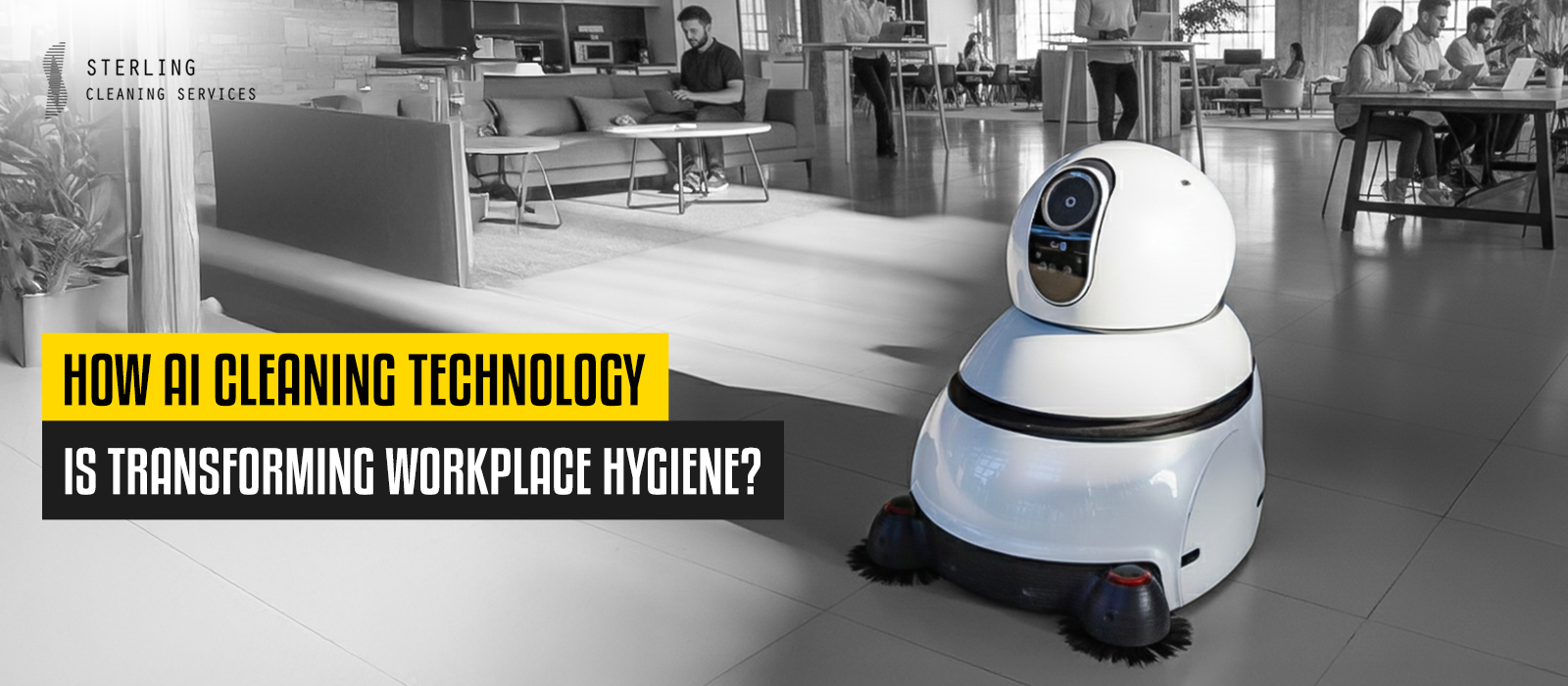
Furthermore, facilities introduce intelligent tools, such as an AI cleaning robot, to maintain consistency during peak hours or at closing. These shifts highlight a significant movement. Cleaning is no longer only about appearance. It is about creating safer, healthier, and more resilient workplaces supported by smarter, tech-enabled systems.
Smarter Cleaning for Modern Workspaces
How Does AI Sensor Cleaning Technology Work?
AI-powered sensor systems bring a new level of intelligence to modern cleaning operations. These tools study your facility in real time, understand how spaces move and change throughout the day, and guide teams toward smarter decisions.
As you adopt these solutions, you gain a clearer picture of what your environment truly needs. It helps you maintain stronger workplace hygiene and reduce operational strain.
Here is a breakdown of how these systems function inside your building:
1. Smart Surface and Air Monitoring
AI sensors continually scan surfaces, touch points, and surrounding areas to identify shifts in cleanliness, moisture levels, or unexpected activity. They translate this data into practical insights your team can act on instantly.
Such a process supports precise cleaning actions and ensures your space meets consistent expectations.
2. Real-Time Behavioral Pattern Tracking
These systems observe foot traffic, space usage, and everyday movement patterns. They highlight which areas demand attention and guide your staff toward priority zones.
You will receive a steady flow of information that helps you reduce missed spots and maintain higher standards.
3. Automated Hygiene Alerts and Recommendations
When sensors detect rising contamination risks or unexpected spills, they trigger immediate alerts. This fast response keeps your environment safer and reduces long gaps between cleaning cycles. It also helps you maintain stronger results even during busy hours, supported by hygiene AI insights.
4. Data-Driven Route Planning for Cleaning Teams
AI systems analyze multiple cleaning routes and recommend the most efficient path for your staff or automated tools. Precisely, it minimizes wasted movement and ensures every minute of your team’s time is spent on meaningful improvements in cleanliness.
5. Integration With Autonomous Cleaning Equipment
Sensor-based insights also support automated machines and other intelligent tools. As these systems exchange data, they coordinate seamlessly with human teams. Such collaboration strengthens accuracy, boosts productivity, and enhances the overall safety of your facility.
Where is AI Cleaning Most Effective?
When you manage a busy commercial space, maintaining reliable cleanliness often feels like a battle. You deal with overflowing touchpoints, unpredictable footfall, and rising expectations from employees, tenants, and visitors.
In this context, AI-powered cleaning solutions step in exactly where these daily pressures intensify. They help you stay ahead of sanitation needs rather than react after standards slip.
In the points below, we have detailed the workspaces where AI-driven cleaning makes your job dramatically easier:
1. Corporate Offices and Hybrid Workspaces
Technology in commercial cleaning has come a long way. You manage shifting schedules, meeting turnovers, and shared touchpoints that never stay clean for long. AI tools help you identify problem zones instantly, track usage spikes, and direct your team with clear priorities.
It provides real-time visibility, giving you tighter control over cleanliness and helping you maintain a consistent work environment.
2. Healthcare Clinics and Medical Facilities
Sometimes, you might face high expectations around hygiene, patient safety, and infection control. AI systems alert your team the moment surface conditions change, helping you respond faster to contamination risks.
A proactive approach like this reduces and supports tightly regulated cleaning standards across exam rooms, waiting areas, and treatment spaces.
3. Retail Stores and High-Traffic Shopping Areas
In retail, unpredictable traffic patterns and constant product interaction make oversight of hygiene overwhelming. AI-driven sensors, in this case, monitor customer movement and highlight hotspots before issues escalate.
Your staff spends less time searching for problems and more time creating cleaner, safer shopping experiences.
4. Manufacturing Units and Industrial Facilities
Production floors can hide risks that affect both safety and sanitation. AI-based cleaning tools study activity patterns, identify dust or debris buildup, and recommend targeted interventions. This support helps you prevent workplace slowdowns while improving operational safety.
5. Hospitality, Hotels, and Guest-Facing Properties
Hotel teams often struggle to keep up with constant check-ins, hallway traffic, and room turnovers. AI cleaning systems continuously monitor conditions around the clock and route alerts to your team in real time. It improves guest satisfaction by supporting an AI cleaning robot when needed.
Keyways of AI Cleaning is transforming in the Workplace
Modern workplaces demand more than routine upkeep. You need solutions that save time, protect employees, and maintain consistent standards, even as traffic and operational pressures fluctuate.
Custom AI cleaning services now provide intelligent support that adapts to real conditions. These techniques help you manage challenges that traditional cleaning methods often miss.
Below are 5 ways artificial intelligence is transforming everyday operations and improving overall cleanliness.
1. Smarter Resource Allocation
AI systems analyze real-time activity across your facility and guide staff to where cleaning is most needed. Instead of following rigid schedules, your team responds to actual traffic patterns, reducing wasted effort.
The approach ensures cleaner spaces with fewer resources while upgrading overall workplace cleanliness and making every cleaning minute count.
2. Cost-Effective Cleaning Operations
Intelligent systems help you allocate staff, equipment, and supplies more efficiently. By targeting high-traffic or high-touch areas, you reduce overuse of cleaning materials and unnecessary labor hours.
For managers like you, this means predictable budgets, lower operational strain, and smarter investment in scalable cleaning services.
3. Real-Time Hygiene Monitoring
Sensors and AI insights continuously track surface conditions, occupancy, and cleaning performance. Even IoT facilitates real-time monitoring of the cleaning operations. You gain immediate alerts when standards drop, enabling proactive action rather than reactive measures.
The transparency empowers your team to maintain consistently healthy environments. At the same time, you also stay aligned with compliance and internal benchmarks.
4. Enhanced Sustainability
AI-guided cleaning minimizes chemical usage and avoids redundant processes, reducing environmental impact. Smarter scheduling and route planning conserve energy and materials, helping your facility adopt greener practices.
These tools support corporate sustainability goals while reinforcing a safer, cleaner workplace for staff and visitors.
5. Improved Workplace Experience
Clean, well-maintained environments influence morale, productivity, and client impressions. AI-assisted cleaning allows teams to focus on human-centric tasks while routine monitoring and maintenance happen seamlessly.
Your employees will feel safer, and your organization will strengthen its reputation as a proactive, modern, and responsible operation.
Real-World Use Cases
AI cleaning services are reshaping workplaces worldwide, delivering measurable improvements in hygiene. We have provided detailed real-world examples below of how leading companies and sectors successfully implemented AI cleaning solutions to address operational challenges.
1. Retail Chain Transforms Cleaning With Robots
Facing inconsistent cleaning results and rising labor demands across 330 stores, Albert deployed autonomous scrubbers powered by an AI platform. After the rollout, the robot fleet cleaned over 20 million square meters across retail floors and distribution centers while completing more than 92,000 cleaning routes.
Employees reported that the consistent, traceable cleaning improved store hygiene standards. Moreover, the staff focused on customer service tasks rather than repetitive floor work.
2. Hospital Disinfection and Infection Risk Reduction
Hospitals and medical facilities worldwide have started integrating autonomous floor cleaning and disinfection robots to strengthen sanitation protocols. It has started more critically after the pandemic.
Evidence shows many of these robots eliminate up to 99.9% of surface pathogens, outperforming manual cleaning methods.
In facilities using these technologies, infection-related incidents dropped significantly. The support team has reportedly saved hours previously spent on intensive cleaning, allowing them to focus more on patient care.
3. Large Facility Cleaning for Industrial or Institutional Spaces
RS Facilities Services, overseeing a very large indoor complex, struggled with time-consuming floor maintenance. It had drained their manpower significantly and left many areas underserved.
They deployed the Rex Scrub - a powerful autonomous cleaning unit equipped with advanced navigation and safety sensors. On a single charge, it cleaned over 40,320 m², covering two work shifts with no drop in performance.
As a result, the facility saved at least 2 staff hours per day. Employees found relief from physically demanding, repetitive tasks and focused on deeper maintenance and critical duties.
Bring AI-Powered Cleanliness to Your Workplace
The Challenges of AI in Commercial Cleaning
Adopting AI cleaning technology can transform your operations, but it comes with challenges that you need to anticipate. You might face integration issues, staff adaptation, and upfront costs that require careful planning.
Recognizing these obstacles early helps you implement AI effectively. The points below will ensure that your investment boosts efficiency and maintains safety across your facility.
1. High Initial Investment
AI cleaning systems demand a significant upfront investment in equipment, software, and training. You may feel hesitant to commit resources, especially if budgets are tight. However, considering long-term savings on labor, materials, and operational efficiency makes the initial cost more manageable.
2. Staff Training and Adaptation
Your team may struggle initially with automated workflows or new devices. Uncertainty can reduce productivity if staff are not confident in the technology.
Providing clear guidance, hands-on training, and gradual adoption empowers your team to embrace AI tools with confidence.
3. Alignment With Safety Protocols
Automated systems need to work safely alongside your employees in high-traffic areas. Proper configuration and monitoring ensure compliance with safety standards and strengthen AI and workplace safety.
Without careful management, misalignment could create hazards or disrupt your business operations, making oversight essential.
How Businesses Can Prepare for AI and Automation in Commercial Cleaning?
Integrating AI cleaning technology requires thoughtful preparation to ensure a smooth transition. You need to consider operational workflows, staff readiness, and system compatibility to maximize benefits while minimizing disruption. Preparing effectively helps you implement these solutions confidently, turning innovation into measurable improvements in efficiency, hygiene, and overall workplace safety.
1. Assess Your Current Cleaning Workflows
Start by reviewing your existing cleaning schedules, staff responsibilities, and high-traffic areas. Understanding where gaps or inefficiencies exist allows you to identify where AI solutions add the most value. This analysis ensures a targeted approach and prevents disruption to your ongoing operations, especially in facilities using traditional commercial cleaning services.
2. Train and Engage Your Team
Your staff is central to successful adoption. Engage employees early, explain the benefits of AI systems, and provide hands-on training. When your team feels empowered rather than replaced, they embrace technology more readily and integrate it seamlessly into daily workflows.
3. Plan for Phased Integration
Implement AI solutions gradually rather than all at once. Begin with pilot areas, monitor performance, and adjust protocols before scaling. This phased approach reduces risks, provides real-world feedback, and helps you fine-tune both automation and human oversight for maximum efficiency.
4. Leverage Data for Continuous Improvement
Use the insights gathered from AI systems to track cleaning performance, identify recurring issues, and optimize schedules. Analyzing this data empowers you to make informed decisions, improve efficiency, and maintain consistently high cleanliness standards across your facility.
Automate Your Workplace Hygiene Maintenance With Sterling Cleaning Services
AI-driven solutions are transforming how businesses maintain safe, efficient, and hygienic environments. At Sterling Cleaning Services, we understand the challenges of maintaining safe and hygienic commercial spaces.
Our disruptive AI-based commercial cleaning services help us streamline operations, strengthen workplace hygiene, and allow your team to focus on what matters most. We combine smart technology with hands-on expertise to deliver consistent, measurable results across your facility.
Partner with us today! Let’s create a cleaner, safer, and more efficient environment together, tailored to your unique operational needs.